
Historic Milestones
The moments that changed the course of human history.
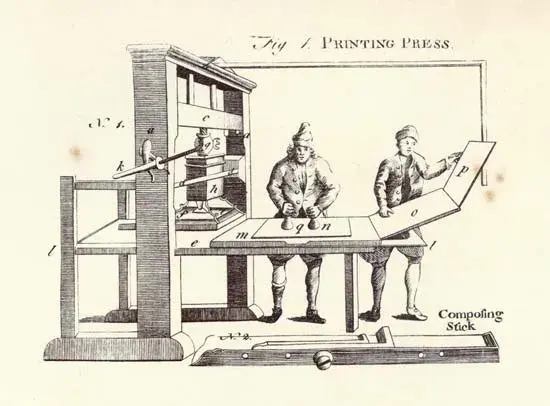
The Printing Press
Around 1440, Johannes Gutenberg's invention democratized knowledge, fueling the Renaissance and the Reformation by making information widely accessible for the first time.
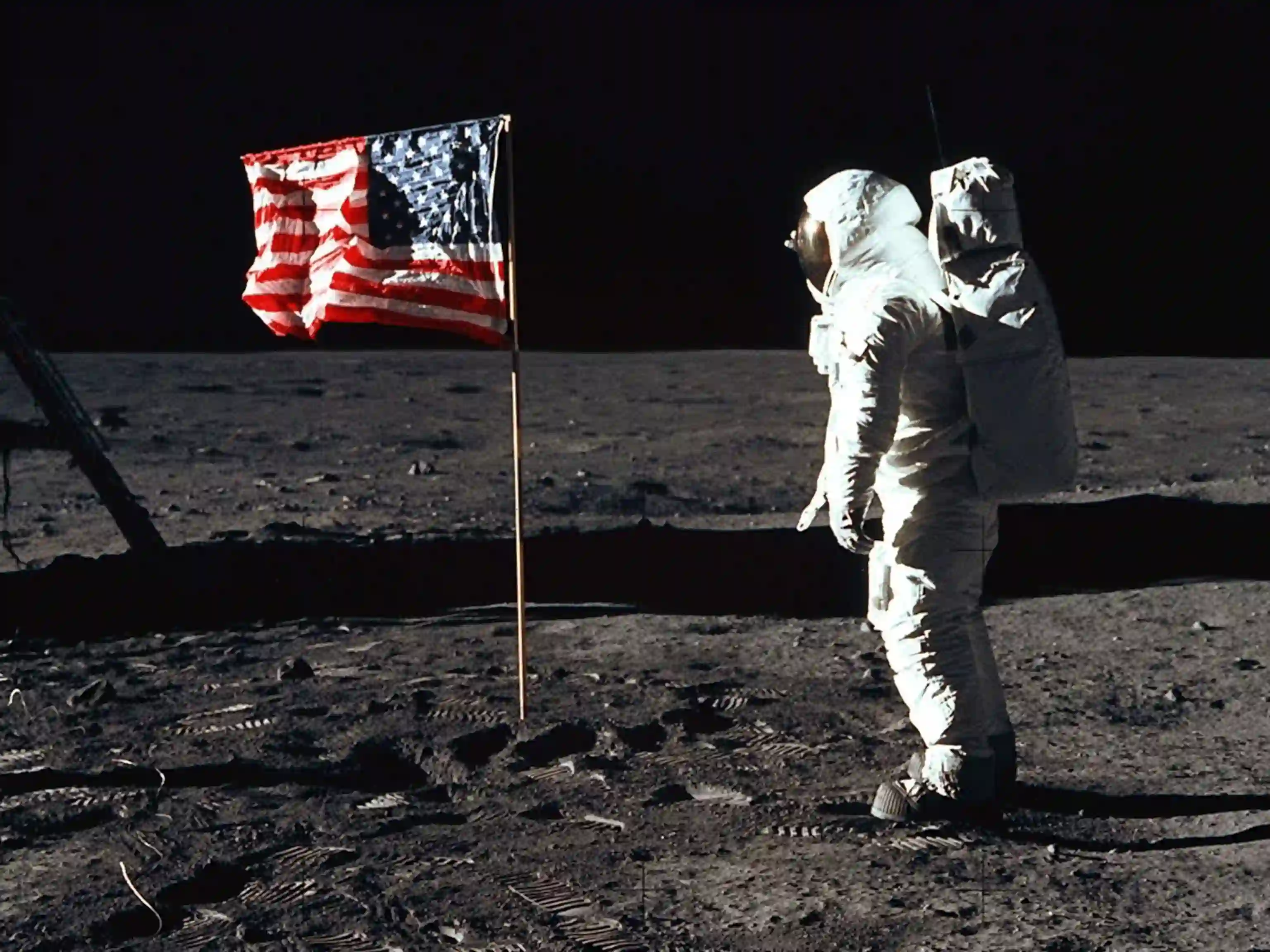
The First Moon Landing
In 1969, humanity took its first step on another celestial body. The Apollo 11 mission represented the pinnacle of human ingenuity and a monumental victory in the Space Race.
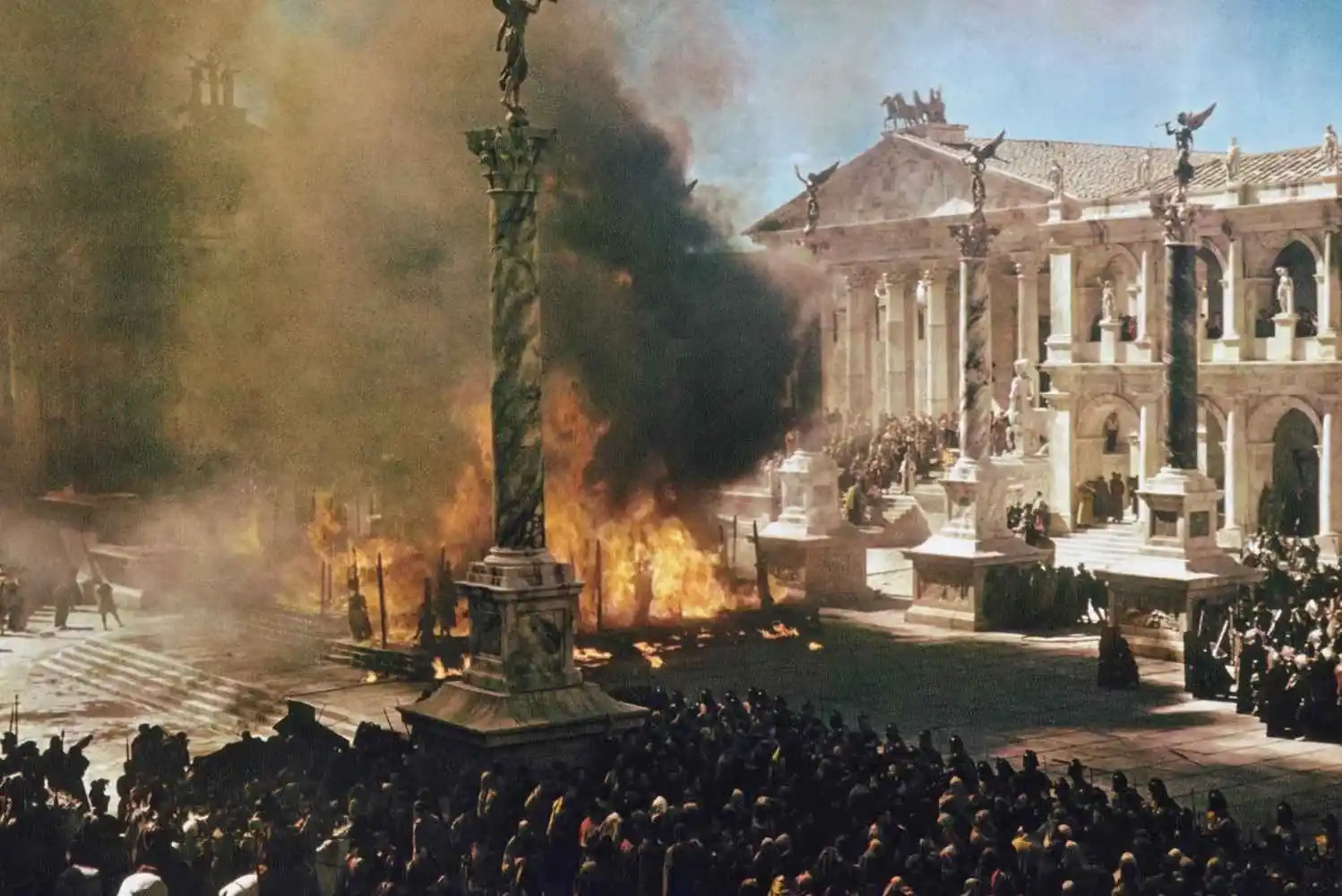
The Fall of Rome
The collapse of the Western Roman Empire in 476 AD marked the end of antiquity and the beginning of the Middle Ages in Europe, fundamentally reshaping its political and cultural landscape.
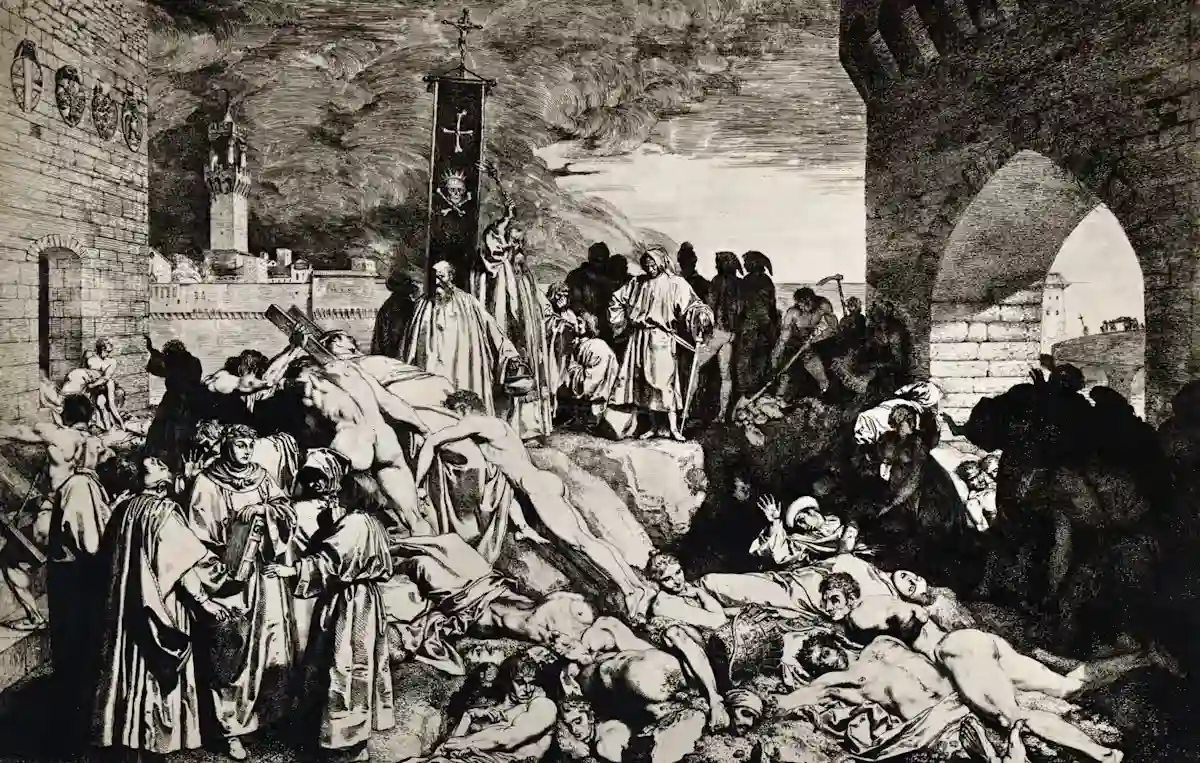
The Black Death
From 1346 to 1351, this devastating pandemic swept through Eurasia and North Africa, killing an estimated 75-200 million people and causing profound social, economic, and religious changes.
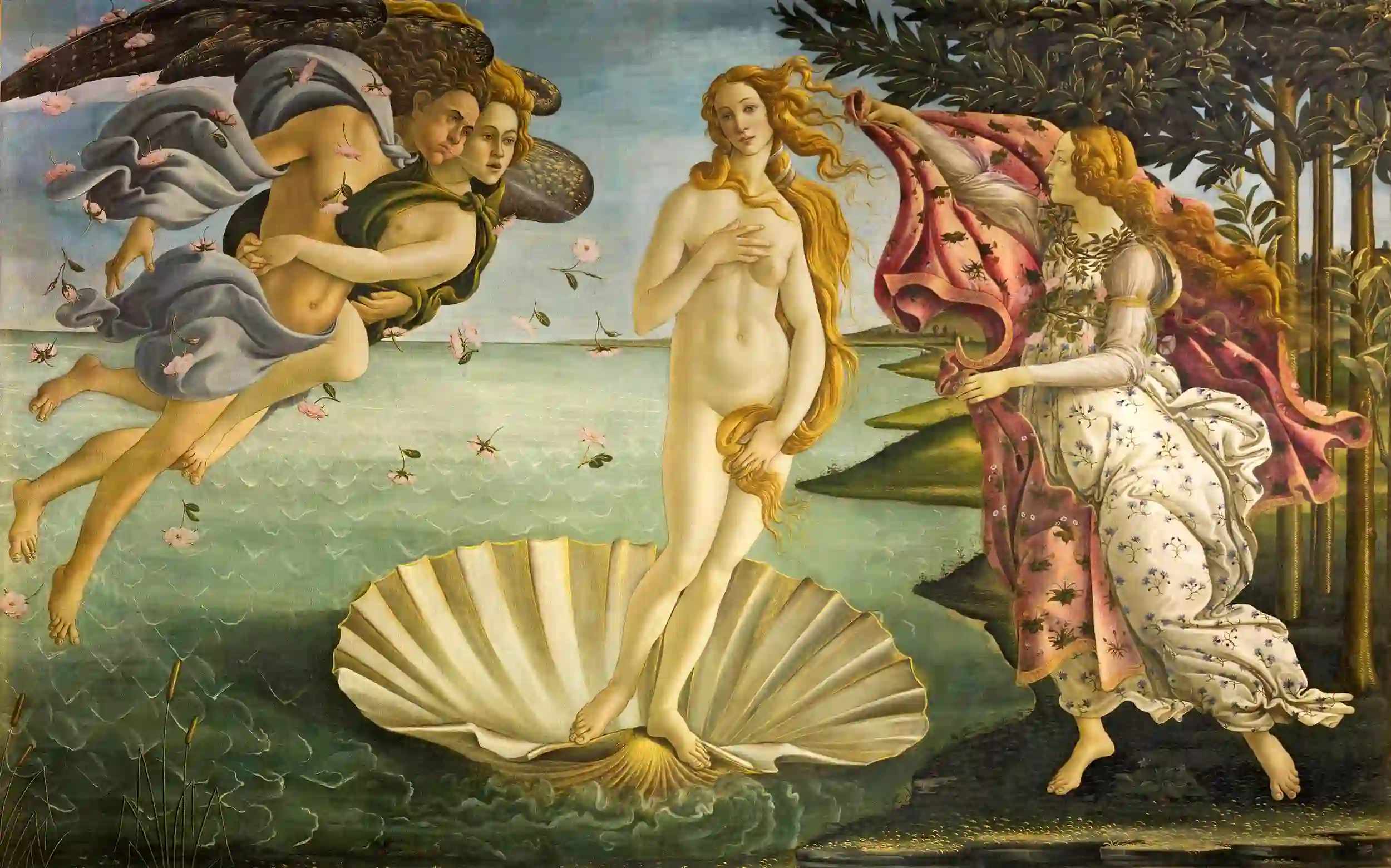
The Renaissance
A period of intense artistic, cultural, and scientific rebirth from the 14th to the 17th century, which saw the creation of masterpieces by artists like Leonardo da Vinci and Michelangelo.
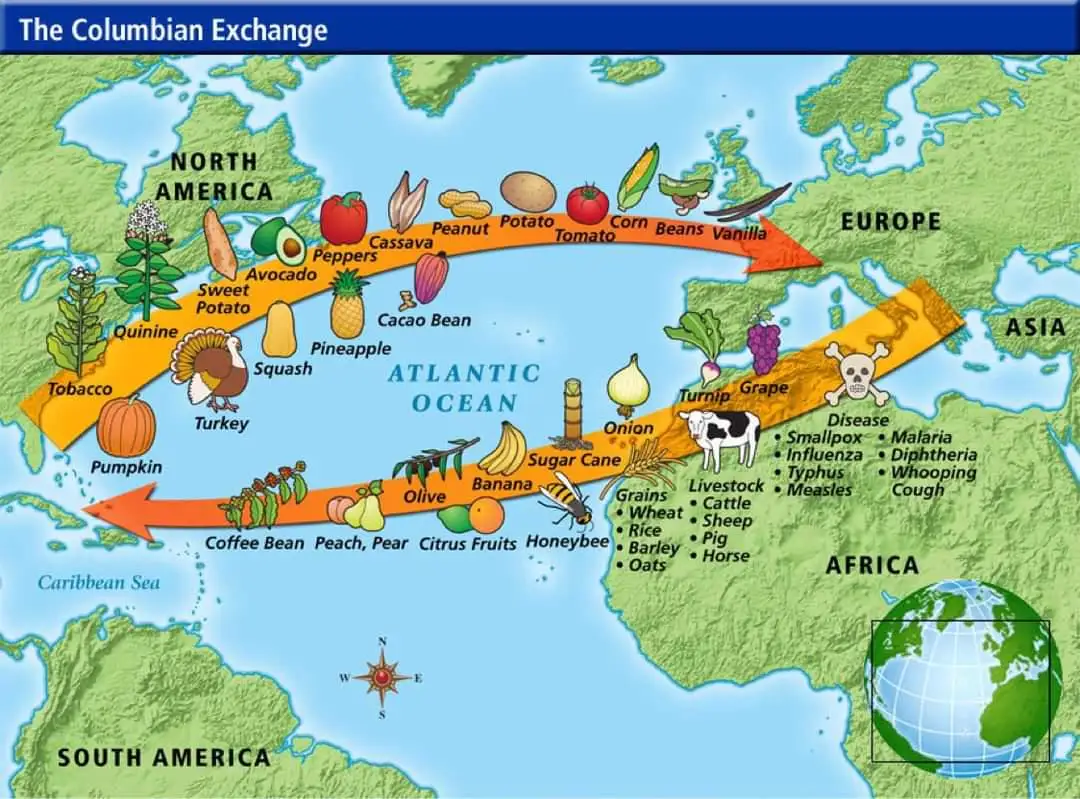
The Columbian Exchange
Following Columbus's voyages, the widespread transfer of plants, animals, culture, human populations, technology, and ideas between the Americas, West Africa, and the Old World.
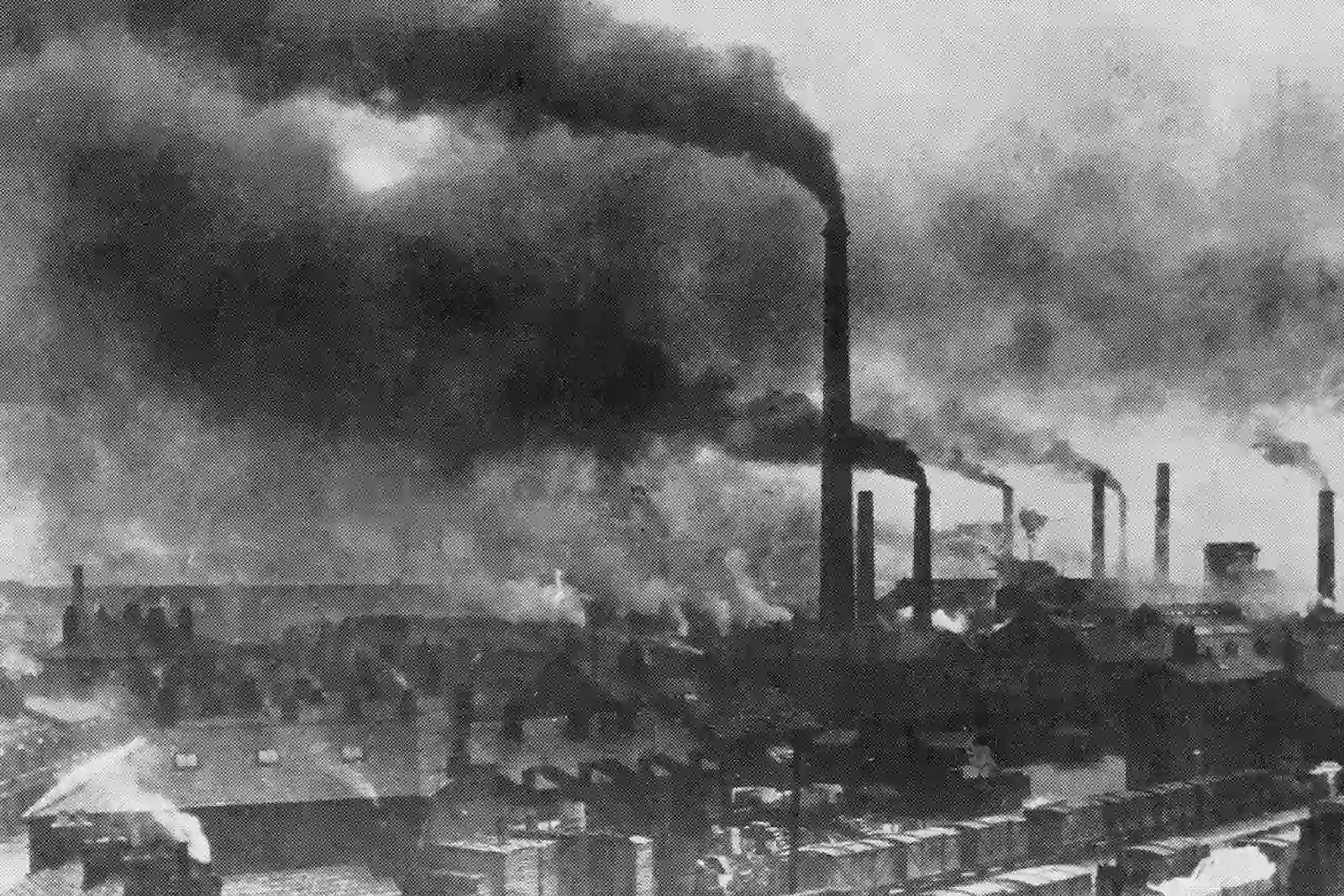
The Industrial Revolution
Beginning in the late 18th century, this transition to new manufacturing processes transformed societies from agrarian to industrial, leading to unprecedented technological and urban growth.
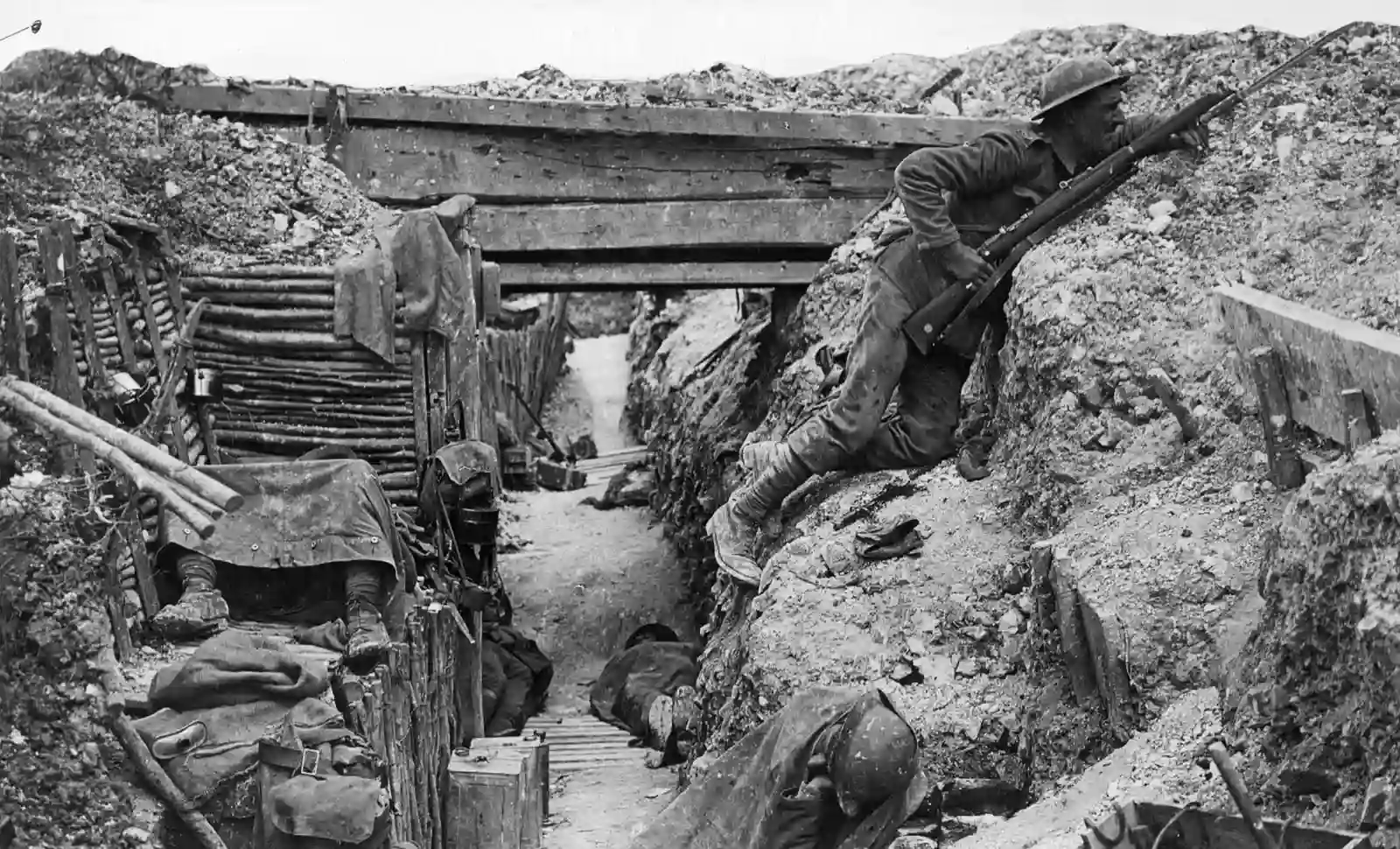
World War I
The Great War (1914-1918) redrew the political map of the world, leading to the collapse of empires and setting the stage for major political changes, including the Russian Revolution.
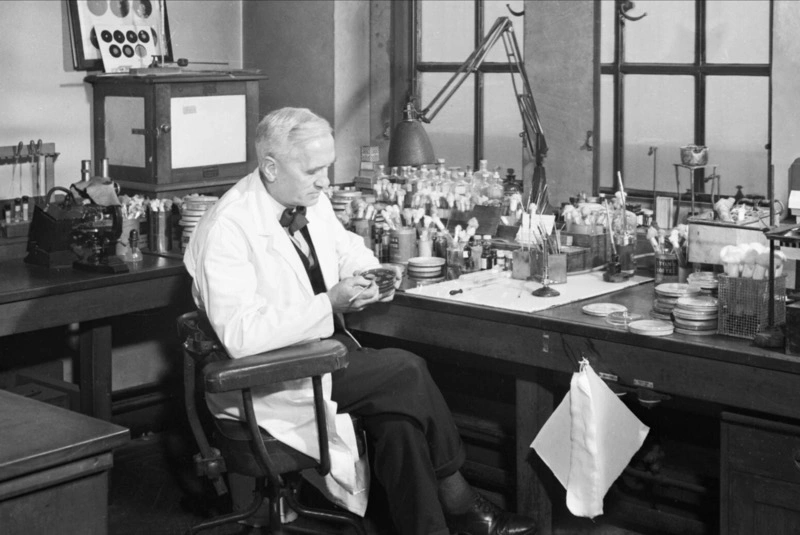
Discovery of Penicillin
In 1928, Alexander Fleming's accidental discovery of the antibiotic penicillin revolutionized medicine, saving countless lives by enabling the treatment of bacterial infections.
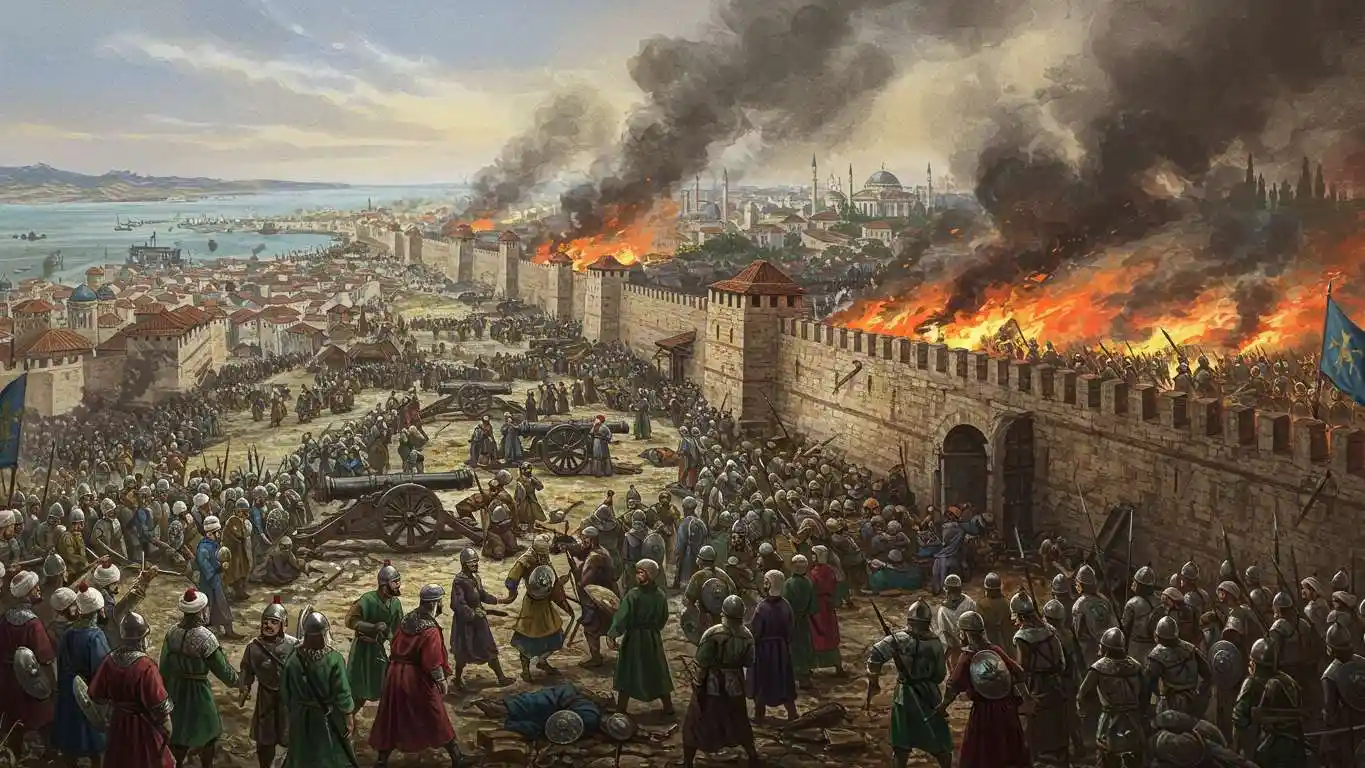
Fall of Constantinople
In 1453, the capture of the Byzantine capital by the Ottoman Empire marked the end of the Roman Empire and is often considered a key event signaling the end of the Middle Ages.
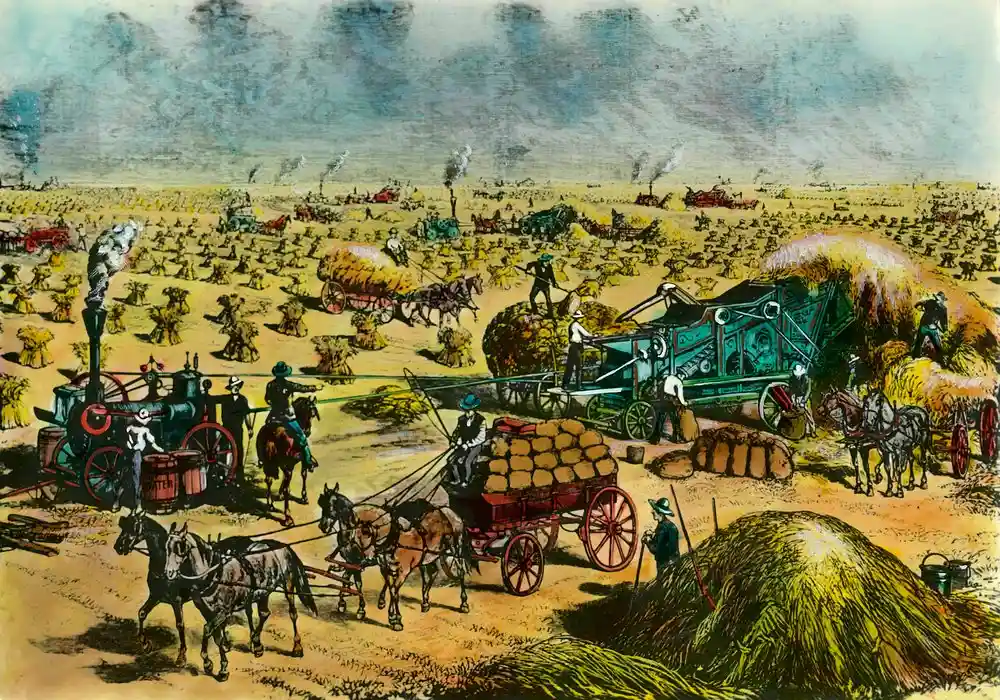
Agricultural Revolution
Around 10,000 BC, the transition from hunting and gathering to settled agriculture allowed for the development of cities, civilization, and social stratification.
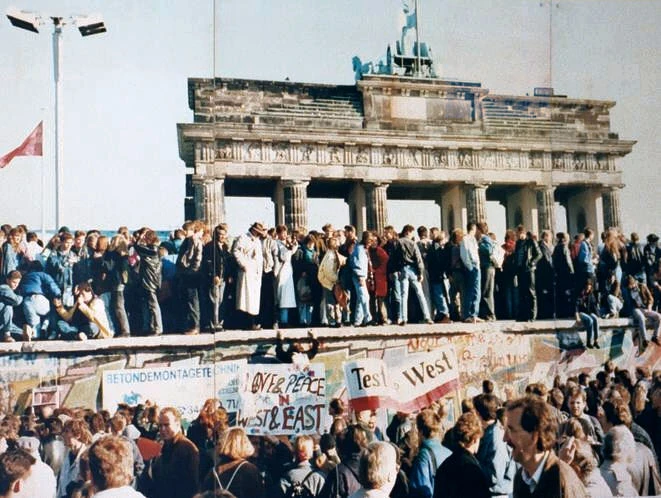
Fall of the Berlin Wall
In 1989, the fall of the wall that divided East and West Berlin symbolized the end of the Cold War and the beginning of the reunification of Germany, leading to the collapse of communist regimes across Eastern Europe.

The Birth of the Internet
Originating from US military projects in the 1960s, the development of the World Wide Web in the 1990s connected the globe in an unprecedented way, transforming communication, commerce, and culture.
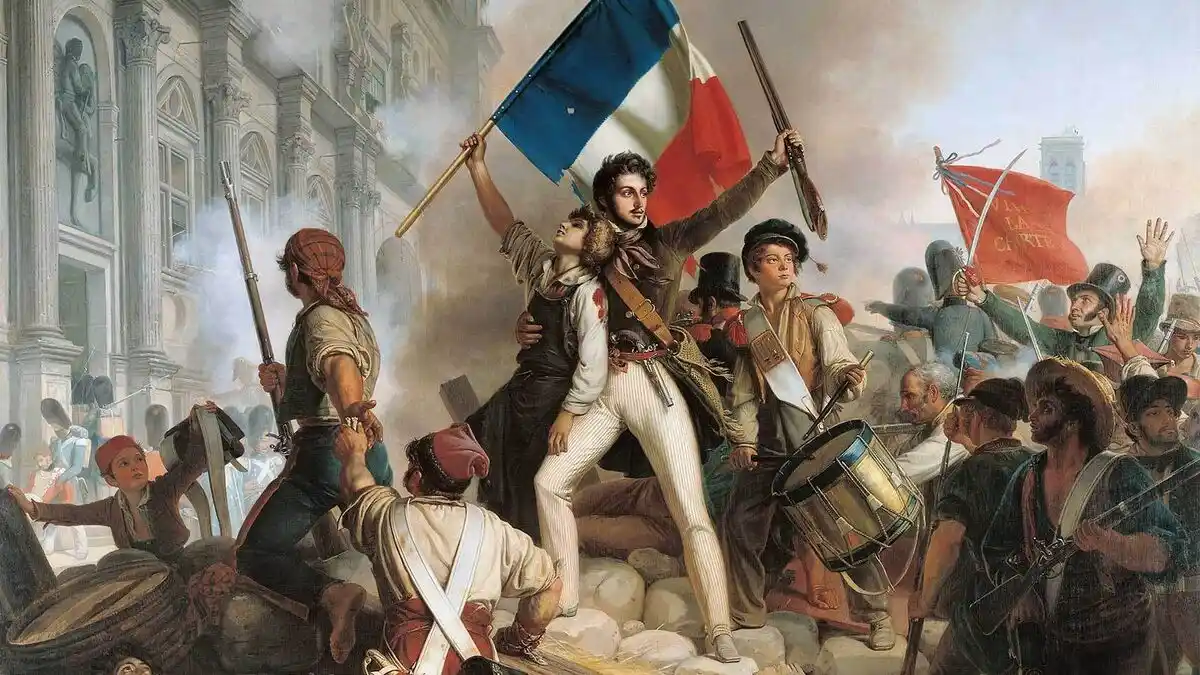
The French Revolution
Beginning in 1789, this period of radical social and political upheaval in France overthrew the monarchy, established a republic, and inspired revolutionary movements worldwide.
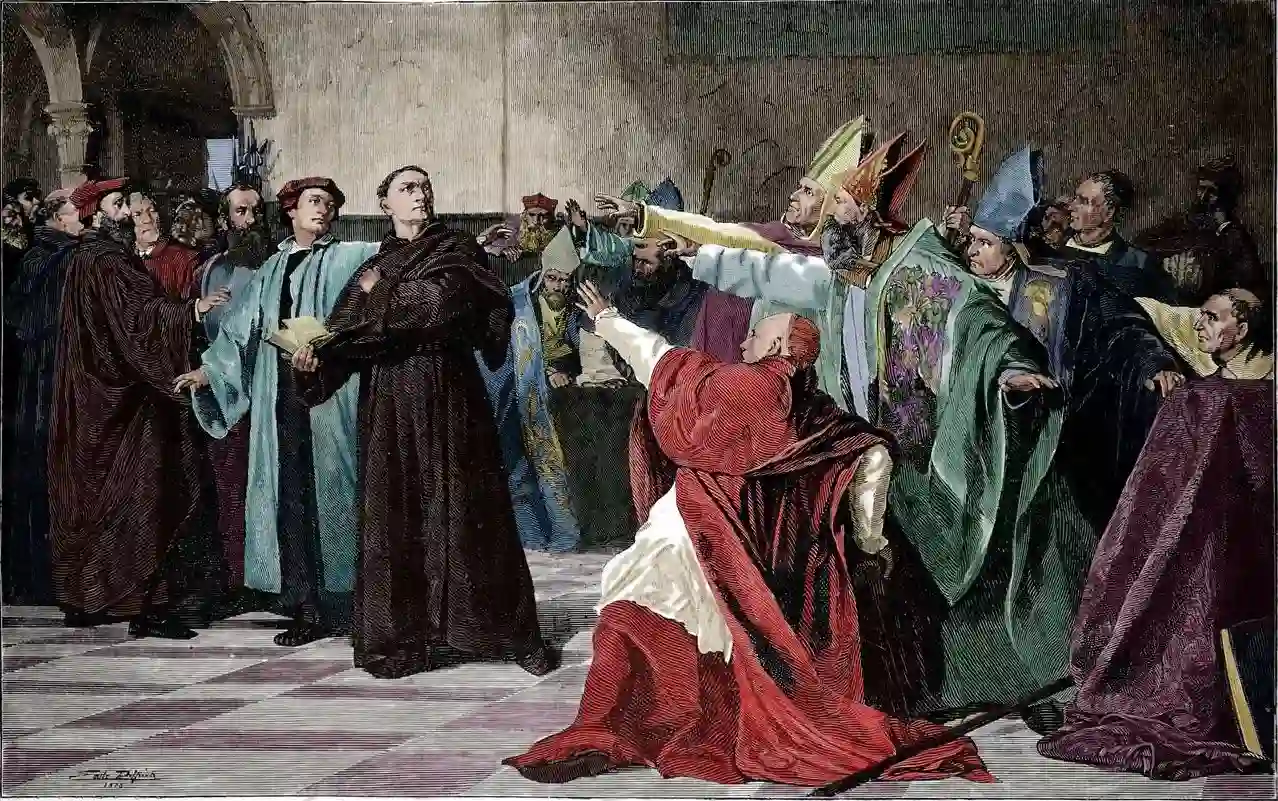
The Protestant Reformation
In 1517, Martin Luther's Ninety-five Theses sparked a religious movement that challenged the authority of the Catholic Church, leading to centuries of religious conflict and the fragmentation of Western Christianity.
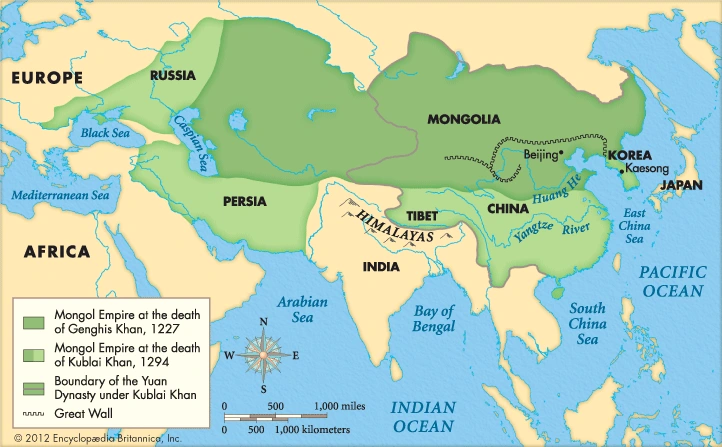
The Mongol Empire
Forged by Genghis Khan in the 13th century, it became the largest contiguous land empire in history, connecting East and West and enabling a period of trade and cultural exchange known as the Pax Mongolica.
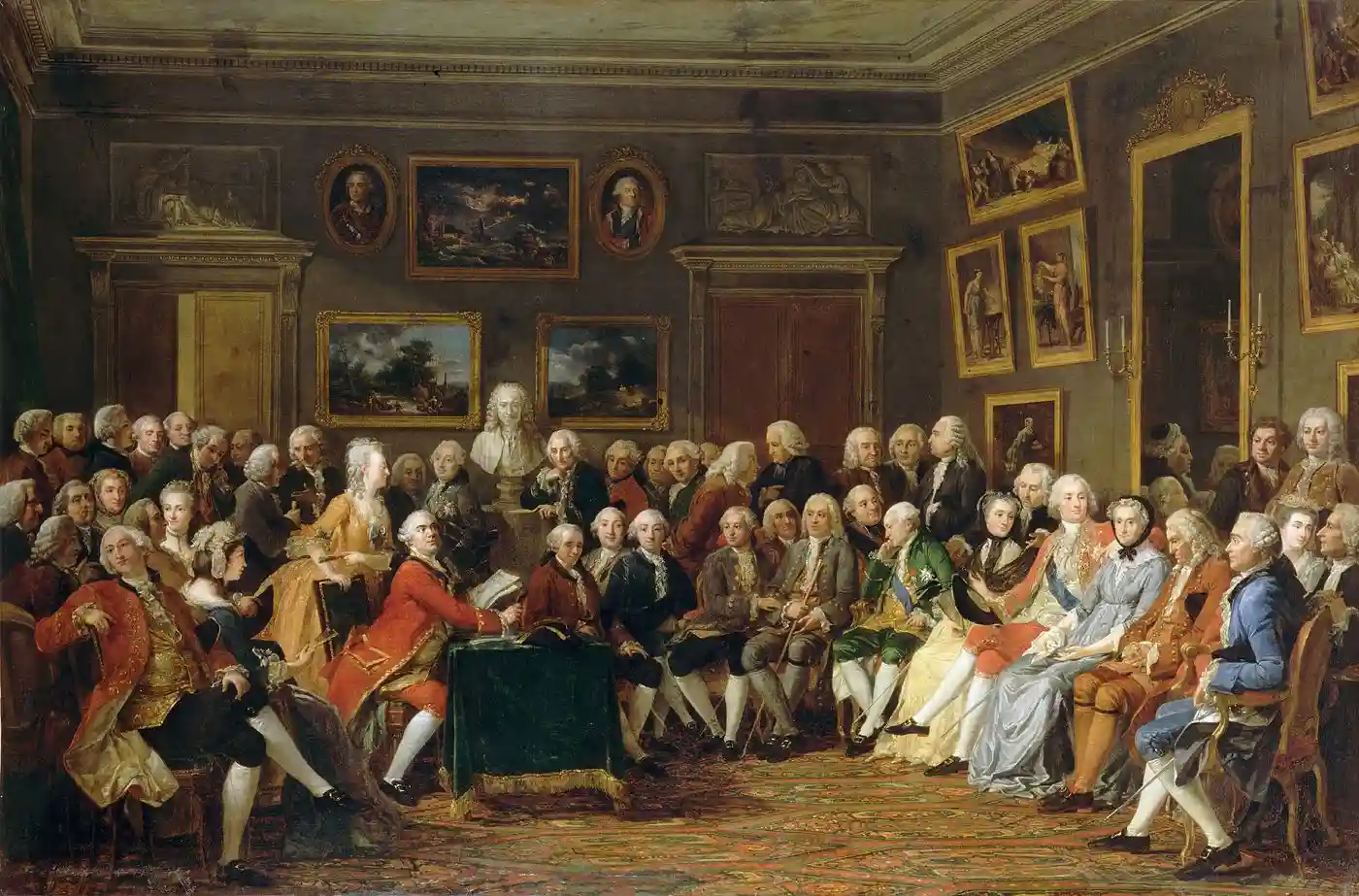
The Age of Enlightenment
An 18th-century intellectual movement emphasizing reason, individualism, and skepticism. Its ideas challenged traditional authority and were a driving force behind revolutions in America and France.
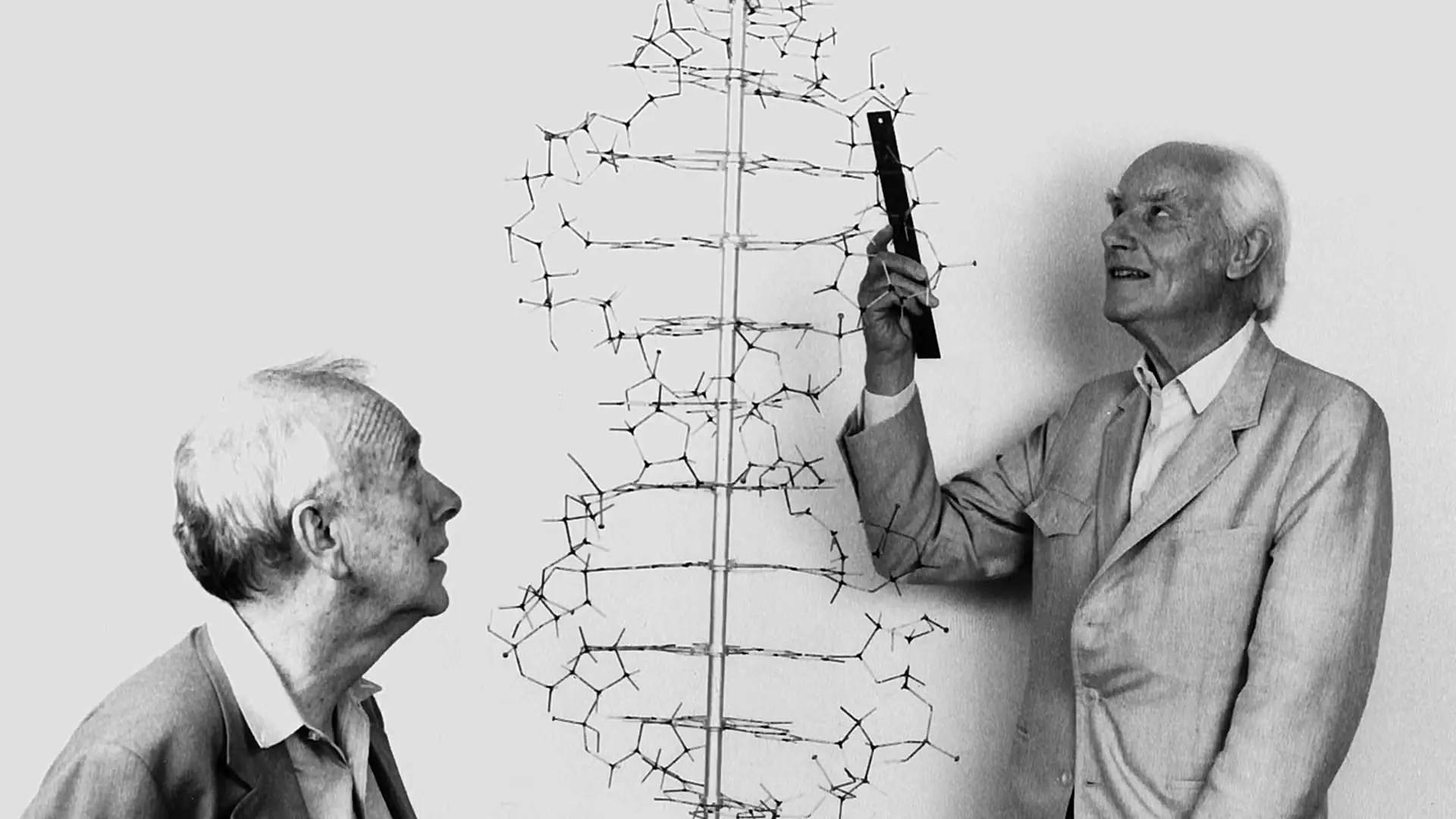
Discovery of DNA Structure
In 1953, Watson and Crick's discovery of the double helix structure of DNA unlocked the secrets of heredity and genetics, laying the foundation for modern biology and medicine.
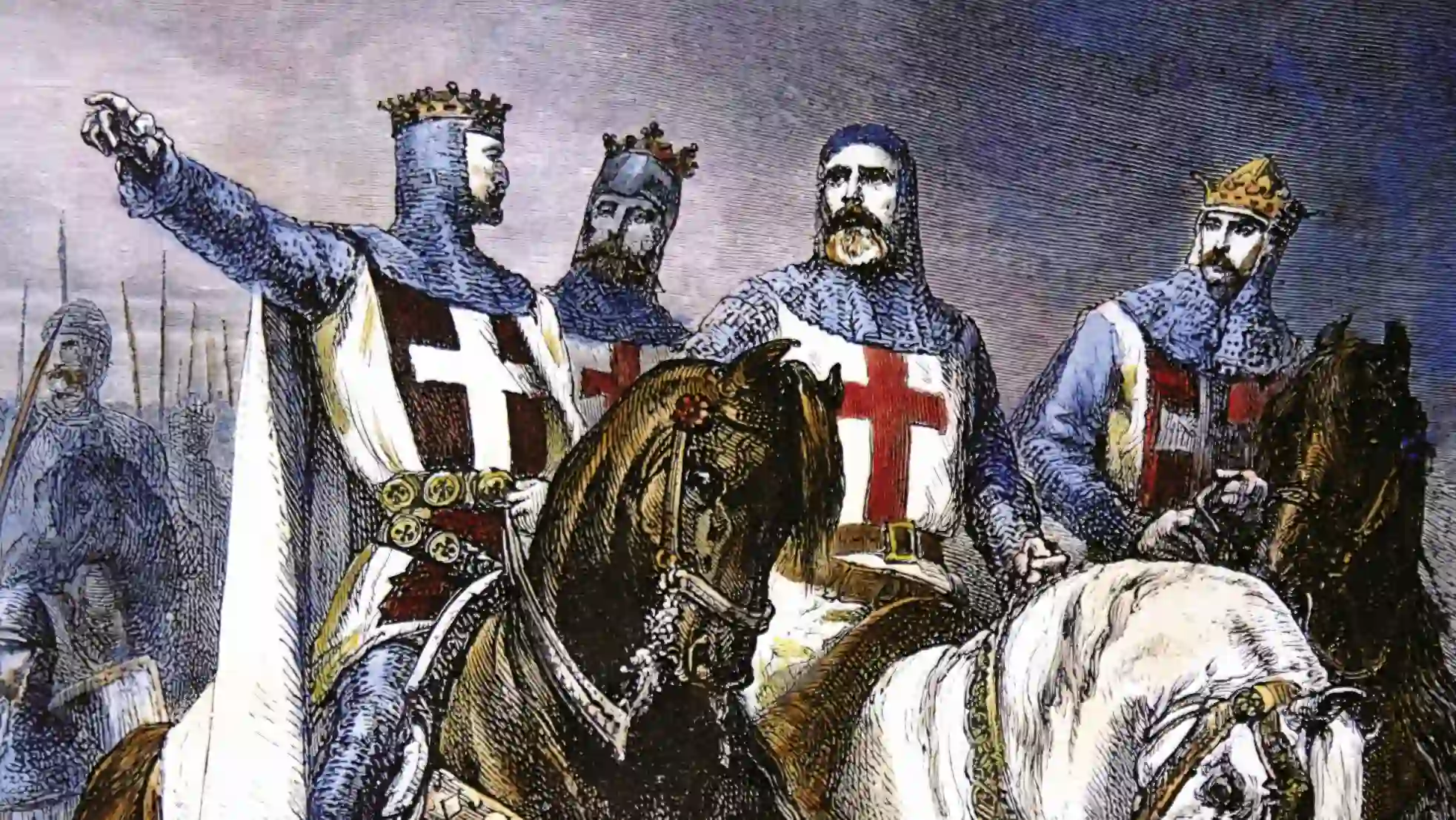
The Crusades
A series of religious wars between Christians and Muslims from the 11th to 13th centuries, primarily for control of holy sites. They had profound and lasting impacts on the relationship between the two worlds.
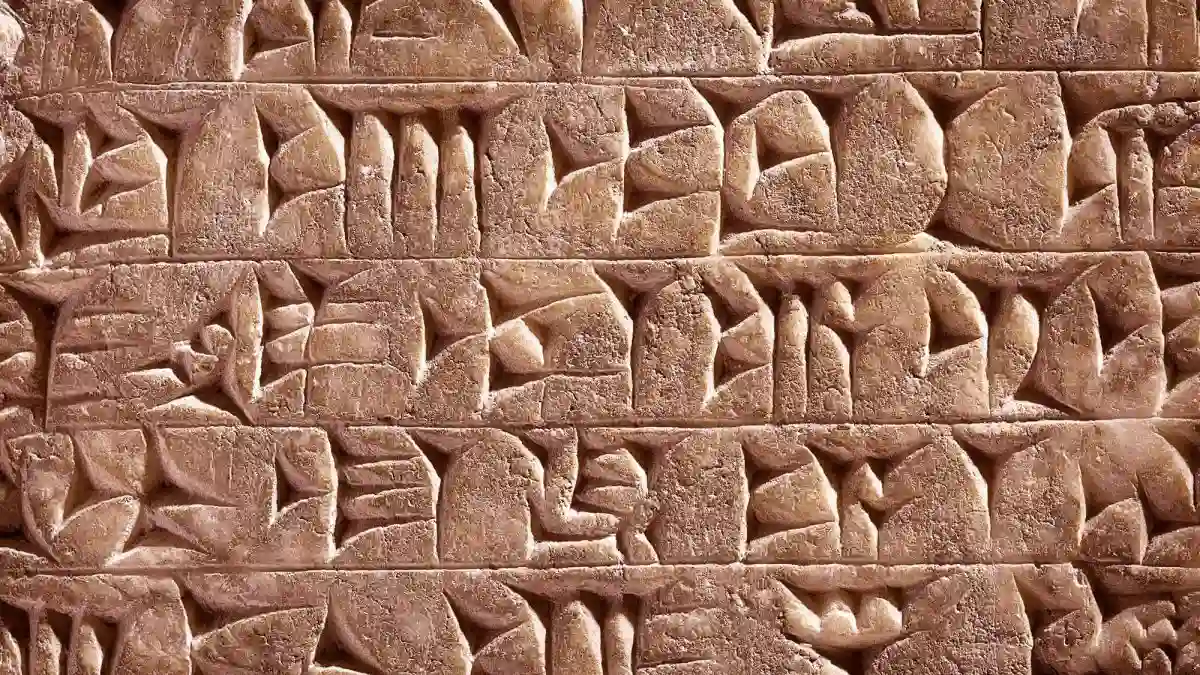
The Invention of Writing
Originating in Mesopotamia around 3,400 BC, the development of cuneiform script was a revolutionary leap for humanity, allowing for the recording of laws, history, and literature for the first time.
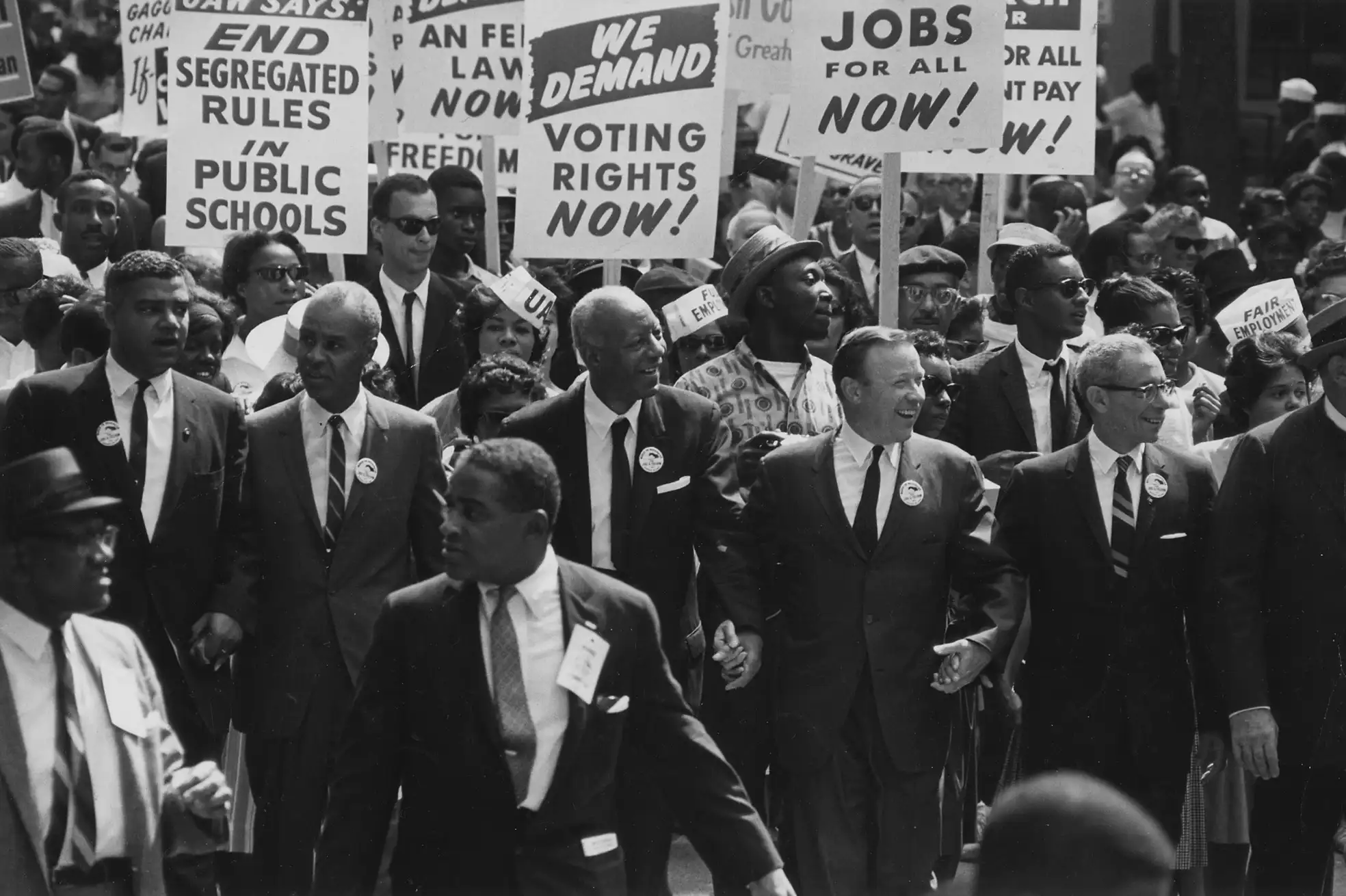
The American Civil Rights Movement
A decades-long struggle by African Americans in the mid-20th century to achieve legal rights equal to those of whites, culminating in landmark legislation that dismantled institutionalized segregation.
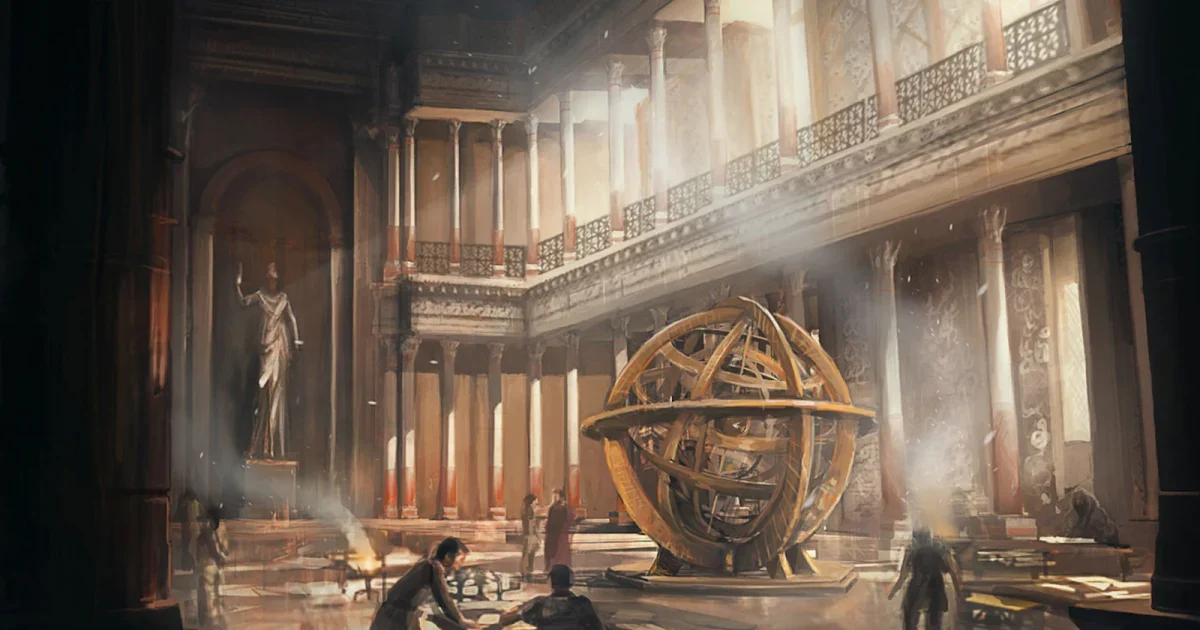
The Library of Alexandria
Founded in the 3rd century BC in Egypt, it was one of the largest and most significant libraries of the ancient world, representing a universal effort to collect all of human knowledge.
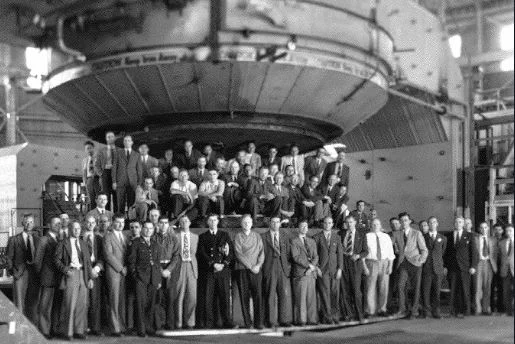
The Manhattan Project
The top-secret World War II undertaking to develop the first nuclear weapons. Its success ushered in the Atomic Age, fundamentally changing warfare and international politics forever.
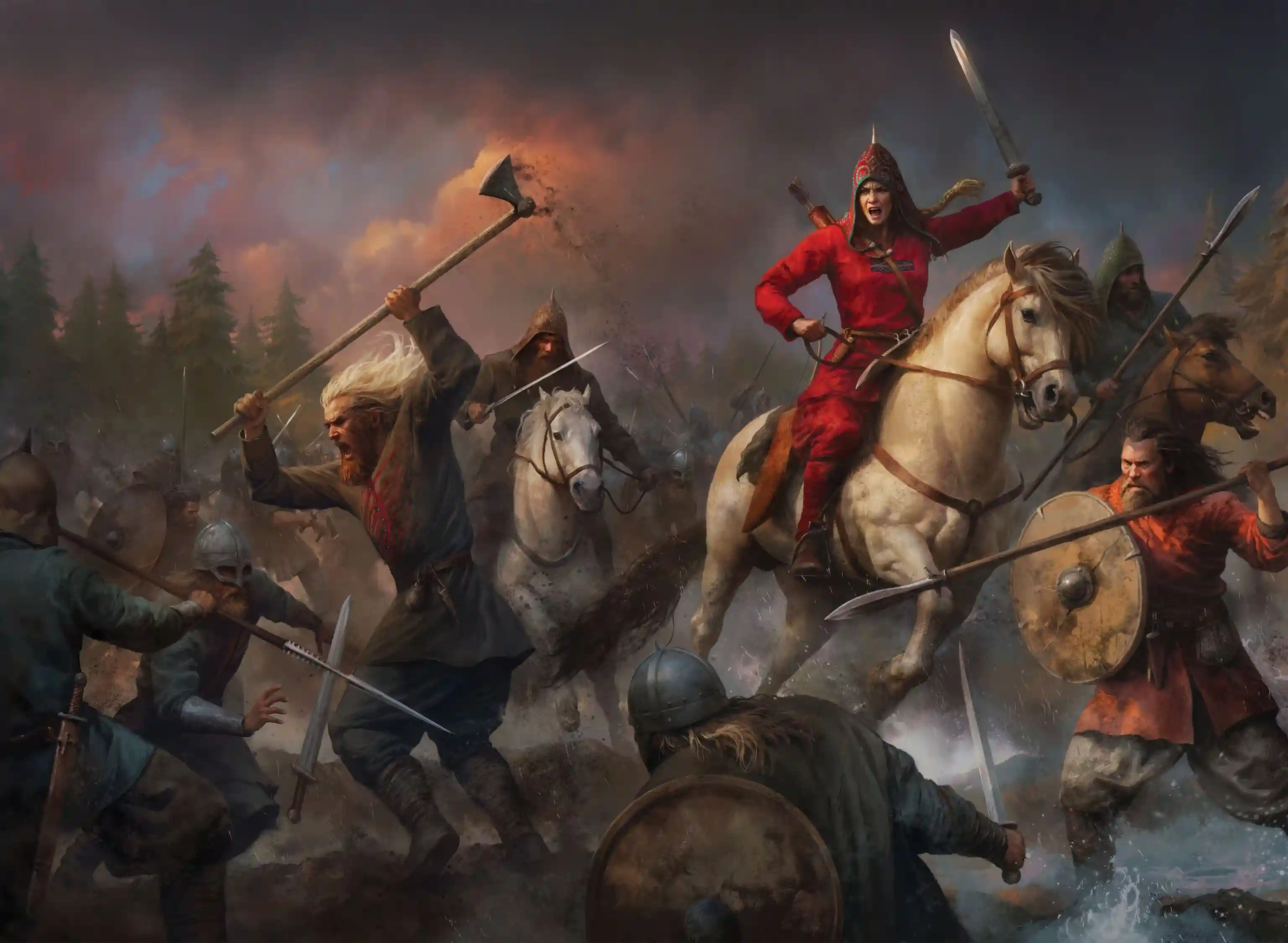
The Viking Age
From the late 8th to the late 11th centuries, Norse seafarers explored, raided, and traded across Europe, Asia, and the North Atlantic, leaving a lasting impact on language, culture, and genetics.