
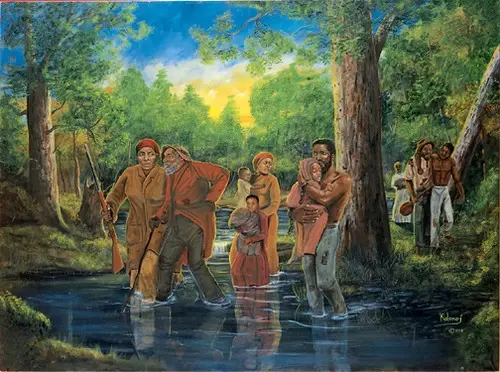
The Dual Fight for Freedom: Lincoln's Law vs. Tubman's Action
A comparison of two monumental American figures in the fight against slavery: Abraham Lincoln, who used the power of the Presidency, versus Harriet Tubman, who used direct, perilous action.
The struggle to end slavery in the United States was a multi-front war, fought with speeches, laws, and the terrifying journey of the Underground Railroad. This struggle produced two giants whose efforts, though profoundly different in scale and method, were equally essential to the eventual triumph of liberty: Abraham Lincoln, the President who bore the burden of a nation divided, and Harriet Tubman, the former slave who became the living embodiment of direct action.
They represented a duality of the liberation movement: the cautious, pragmatic use of state power to achieve a moral end, versus the courageous, individual refusal to accept oppression.
Abraham Lincoln: The Weight of the State
As the 16th President, Abraham Lincoln faced the existential crisis of the American Civil War. His immediate political duty was to preserve the Union, and only through that preservation could the issue of slavery be definitively addressed.
A Calculated Path to Emancipation
Lincoln’s great political challenge was timing and legality. He abhorred slavery, but his power was limited by the Constitution and the politics of his “team of rivals.” His decisive action came in the form of the Emancipation Proclamation, a masterstroke of wartime power that declared slaves in Confederate territory to be free. This act transformed the war from a political struggle into a moral crusade, using the machinery of the state to strike at the heart of the Confederacy’s labor force. His ultimate success was securing the Thirteenth Amendment, abolishing slavery entirely.
Harriet Tubman: The Conductor and the Weapon
Harriet Tubman came from the bottom of the oppressive structure Lincoln was attempting to dismantle. Having escaped slavery herself, her life was dedicated to a personal, immediate campaign of rescue.
Direct Action on the Underground Railroad
Tubman made approximately thirteen missions back into the slave states, guiding around seventy enslaved people to freedom using the perilous network known as the Underground Railroad. Her actions were a form of profound Civil Disobedience, a relentless violation of the Fugitive Slave Act. She was a conductor who risked everything, stating, “I would have fought for my liberty so long as my strength lasted”.
Beyond the Conductor
During the Civil War itself, Tubman’s role expanded. She served the Union Army not just as a nurse and cook, but as an armed scout and spy. Her military intelligence was instrumental in the Combahee River Raid, which liberated hundreds of slaves—an act of tactical freedom achieved with boots on the ground, not a pen in the White House.
The Dual Tactics of Liberation
| Aspect of the Struggle | Abraham Lincoln | Harriet Tubman |
|---|---|---|
| Primary Arena | The Presidency, Congress, and the battlefield strategy. | The Southern plantations, secret routes, and hostile territory. |
| The Weapon | The Emancipation Proclamation and the Union Army. | Personal courage, the Underground Railroad, and intelligence work. |
| Pace of Change | Incremental and bound by political and legal necessity. | Immediate, high-risk freedom for the individual. |
| Symbolism | Preserver of Democracy, the Great Emancipator. | Moses of Her People, the living symbol of resistance. |
Conclusion: Two Sides of the Same Coin
The legacies of Lincoln and Tubman teach us that no single method can dismantle an entrenched evil. Lincoln provided the political and legal leverage necessary for a structural end to slavery, bearing the weight of national trauma. Tubman provided the moral and physical imperative, pulling individuals out of bondage and proving the possibility of immediate, radical freedom.
While Lincoln’s pen signed the law, Tubman’s footsteps mapped the road to freedom. Together, they represent the essential unity of the struggle: the need for both the grand political vision and the unflinching courage of individual action.
Explore the foundational moral ideas in the lives of other great thinkers in our Library of Concepts, or see how great emancipators compare in our article: The Liberators: Lincoln’s War vs. Gandhi’s Peace.
Continue Reading
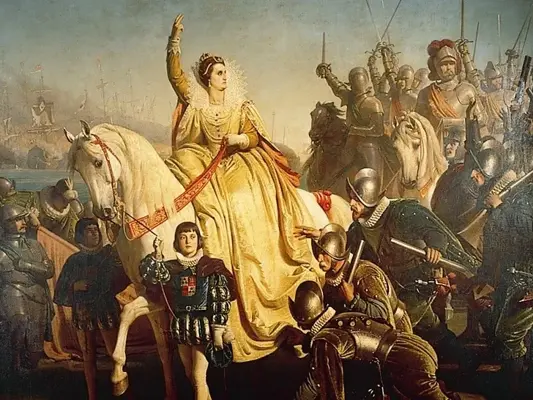
The Art of Power: A Deep Dive into History's Most Formidable Female Rulers
From Cleopatra's diplomacy to Elizabeth I's statecraft, explore the strategies, sacrifices, and legacies of the most powerful women in history. An expert analysis of female leadership through the ages.
Read More →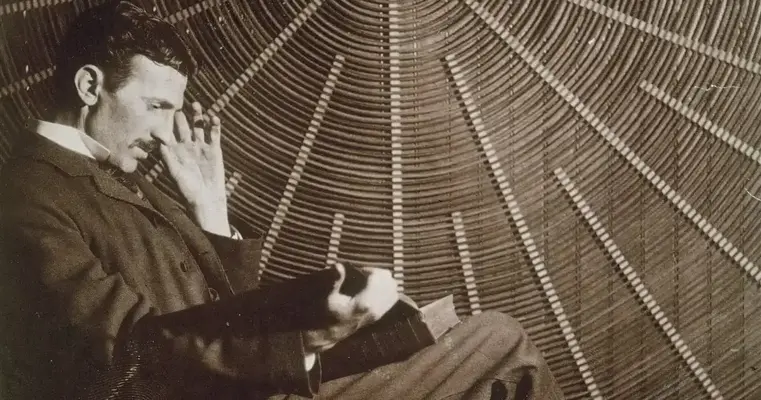
Empires of Mind vs. Matter: Tesla vs. Caesar
A unique comparison between Nikola Tesla, the visionary inventor who electrified the world, and Julius Caesar, the conqueror who forged the Roman Empire. Who built a more enduring legacy?
Read More →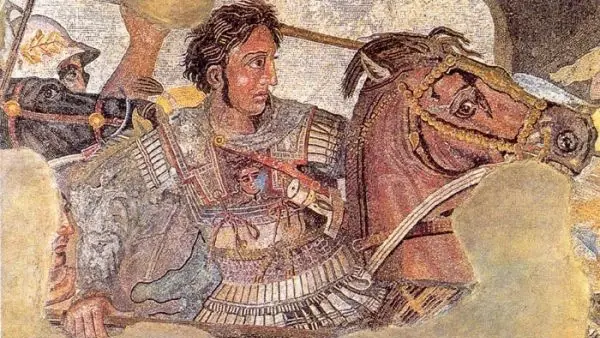
Conquest of Land vs. Conquest of the Future: Alexander the Great and Nikola Tesla
An epic comparison between Alexander the Great, who conquered the known world in a decade, and Nikola Tesla, who engineered the unseen empire of electricity that powers our modern age.
Read More →