
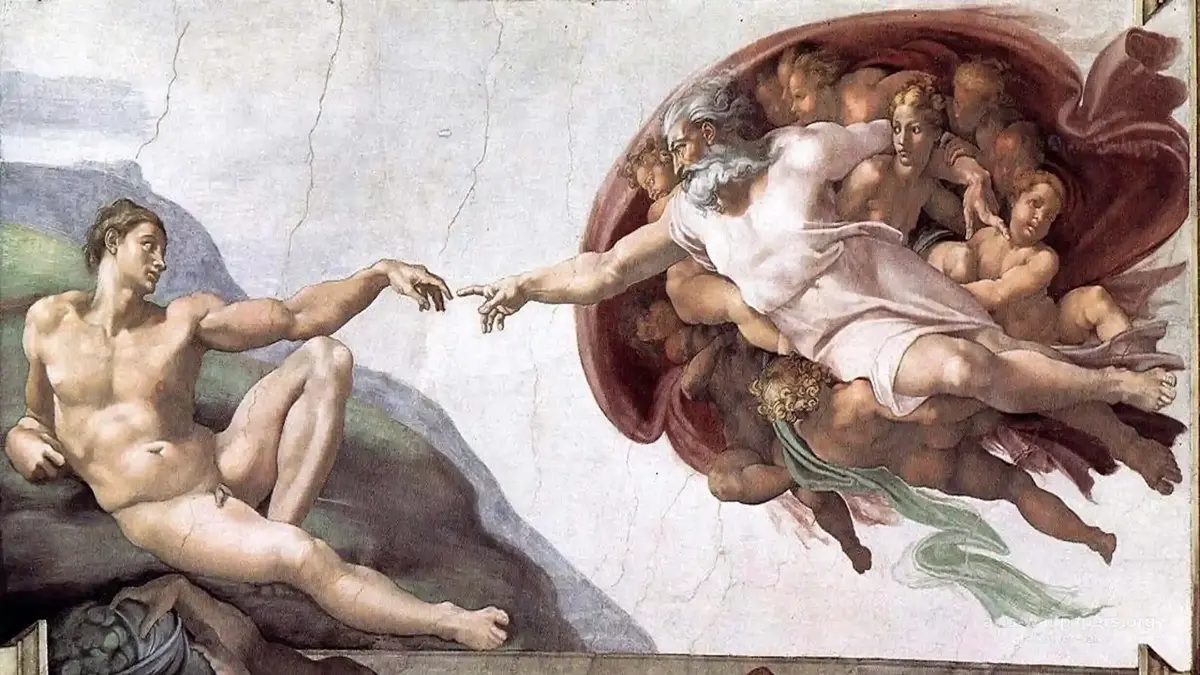
Rivals of the Renaissance: The Divine Talents of da Vinci and Michelangelo
A deep dive into the lives, methods, and masterpieces of Leonardo da Vinci and Michelangelo, the two titans who defined the High Renaissance. Was true genius found in scientific curiosity or divine inspiration?
The Italian Renaissance was a crucible of genius, an era when art and science exploded with a brilliance not seen since antiquity. At the heart of this cultural inferno stood two colossal figures whose rivalry and ambition pushed the boundaries of human achievement: Leonardo da Vinci, the insatiably curious polymath, and Michelangelo, the divinely inspired sculptor and painter.
They were contemporaries, rivals, and in many ways, perfect opposites. Leonardo approached art as a scientist, dissecting the world to understand its mechanics. Michelangelo approached it as a tormented soul in dialogue with God, releasing figures from stone. Their clash, both professional and personal, defined the pinnacle of the High Renaissance.
Leonardo da Vinci: The Scientist as Artist
Leonardo was the quintessential Renaissance Man. His genius was not confined to the canvas; it spilled over into anatomy, engineering, geology, and botany. For him, art was not merely an act of creation but the final product of intense scientific investigation.
A Mind in Constant Motion
His notebooks are a testament to a mind that never rested. He filled thousands of pages with detailed anatomical drawings, designs for flying machines, and studies of water and light. This obsessive observation of the natural world gave his art an unprecedented realism. His pioneering use of sfumato (the soft blending of colors) and chiaroscuro (the use of strong contrasts between light and dark) gave his subjects a psychological depth that was revolutionary. Masterpieces like the “Mona Lisa” and “The Last Supper” are not just paintings; they are the culmination of a lifetime of relentless inquiry into the human condition and the natural world.
Michelangelo: The Divine Sculptor
If Leonardo’s mind soared with scientific curiosity, Michelangelo’s wrestled with divine inspiration. A sculptor first and foremost, he saw himself not as a creator, but as a liberator of the forms already trapped within the marble. His work is defined by its raw power, emotional intensity, and an awe-inspiring sense of the sublime.
The Agony and the Ecstasy
Michelangelo’s relationship with his patrons, most notably the papacy, was often stormy. He was famously solitary, tempestuous, and consumed by his work. This inner turmoil is palpable in his art. The heroic nudity of his “David,” the sorrowful beauty of the “Pietà,” and the cosmic drama of the Sistine Chapel ceiling are not just technically perfect; they are profound spiritual and emotional experiences. He famously claimed, “I saw the angel in the marble and carved until I set him free.” For Michelangelo, art was a form of divine revelation, a struggle to manifest the ideal beauty he saw in his mind’s eye.
A Clash of Titans: Two Paths to Genius
The rivalry between the two artists was legendary. They were commissioned to paint opposing walls in Florence’s Palazzo Vecchio in what was billed as a “battle of the titans,” though neither work was ever completed. Their approaches to art and life could not have been more different.
| Aspect | Leonardo da Vinci | Michelangelo |
|---|---|---|
| Primary Identity | Scientist, Observer, Polymath | Sculptor, Visionary, Poet |
| Source of Genius | Empirical observation and curiosity. | Divine inspiration and inner turmoil. |
| Artistic Style | Harmony, subtlety (sfumato), psychological depth. | Power, drama (terribilità), physical perfection. |
| Famous Quote | ”Simplicity is the ultimate sophistication." | "The greater the fool, the greater the fortune.” |
Leonardo was elegant, sociable, and endlessly fascinated by the how of the world. Michelangelo was brooding, intense, and consumed by the why.
Conclusion: The Two Faces of Renaissance Genius
It is impossible to declare a “winner” in a rivalry that produced some of the greatest art in human history. Leonardo and Michelangelo represent two essential facets of the human spirit: the quest to understand and the drive to create.
Leonardo taught the world to see, to observe the intricate mechanics of the universe and find beauty in its details. Michelangelo taught the world to feel, to experience the power of human emotion and the awe of the divine. Together, they did not just define the Renaissance; they redefined the very potential of human creativity.
Explore the masterpieces and lives of these and other great artists in our Pantheon of Titans, or learn about the cultural movements that fueled their work in our Library of Concepts.
Continue Reading
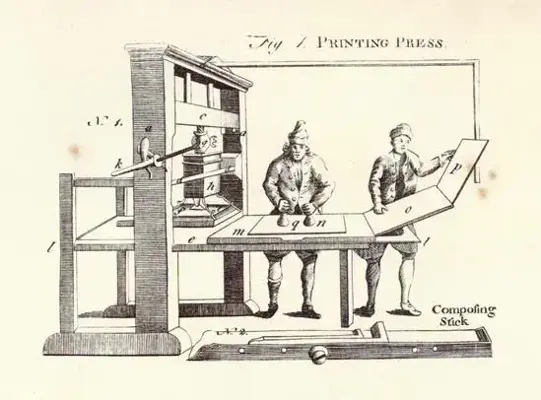
The Gutenberg Press vs. The Internet: An Unlikely Parallel
How did a 15th-century invention mirror the disruption of the digital age? An expert analysis of the Printing Press and the Internet, two technologies that democratized information and changed the world forever.
Read More →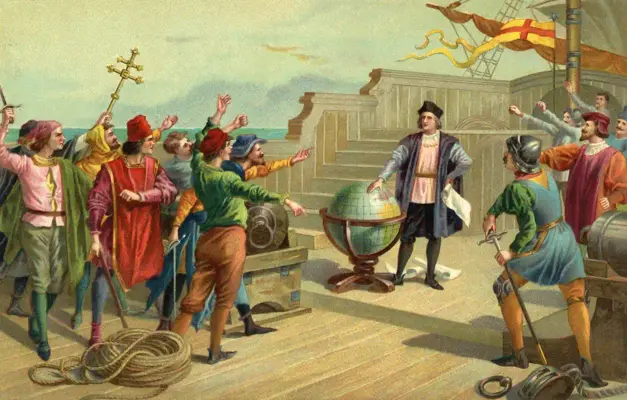
Clash of Frontiers: Suleiman's Law vs. Columbus's Horizon
A comparison of two contemporaries who ruled different spheres of the Renaissance world. Suleiman the Lawgiver dominated the East, while Columbus the Navigator expanded the West's very definition of the globe.
Read More →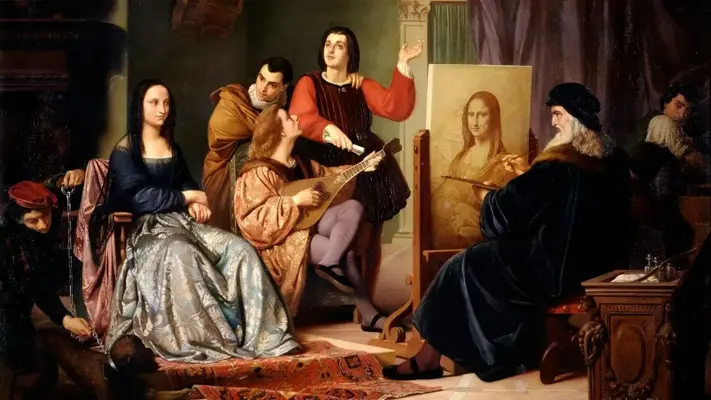
Clash of Ideas: The Renaissance vs. The Enlightenment
A detailed comparison between two of the most transformative periods in Western history. Discover the core ideas, key figures, and lasting impact of the Renaissance and the Enlightenment.
Read More →