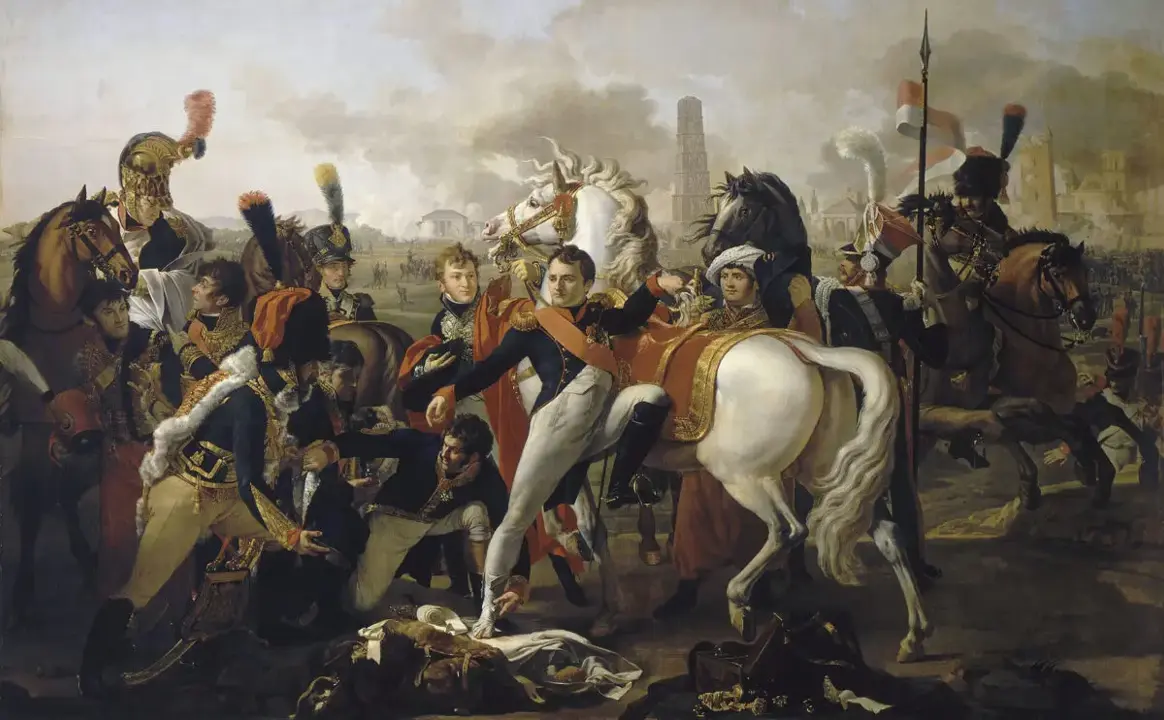
The Great Strategists: A Definitive Comparison of Napoleon, Caesar, and Alexander
A deep-dive analysis into the military tactics, battlefield innovations, and lasting legacies of Napoleon Bonaparte, Julius Caesar, and Alexander the Great. Who was the ultimate commander?
History has been shaped by individuals whose battlefield genius redefined nations and redrew maps. Among the pantheon of great commanders, three names resonate with a force that transcends time: Napoleon Bonaparte, Julius Caesar, and Alexander the Great. Though separated by centuries, their approaches to warfare, their mastery of logistics, and their sheer force of will offer a fascinating study on the art of command. But who was the greatest? This analysis will dissect their methods to find an answer.
Julius Caesar: The Architect of the Roman War Machine
More than just a conqueror, Julius Caesar was a master of engineering, logistics, and psychological warfare, hallmarks of the formidable Roman Republic. His campaigns were not just a series of battles, but meticulously planned operations that showcased the might of Roman organization.
Engineering as a Weapon
Caesar’s genius was most evident when brute force was not enough. His use of military engineering was revolutionary. From building bridges across the Rhine in mere days to the incredible siege works at Alesia, he turned landscapes into tactical advantages. This emphasis on infrastructure was a cornerstone of Roman power, visible even in civilian projects like the famous Roman Aqueducts.
Decisive Battle: The Siege of Alesia (52 BC)
At Alesia, Caesar faced a united Gallic army led by Vercingetorix. Trapped between the fortified Gauls inside the city and a massive relief army outside, Caesar was outnumbered on two fronts. His solution was audacious: he constructed two lines of fortifications—one to keep Vercingetorix in, and another to keep the relief army out. His ability to manage a siege and a field battle simultaneously is a testament to his unparalleled strategic mind.
Alexander the Great: The Master of Combined Arms
Taught by the great philosopher Aristotle, Alexander the Great was a visionary who sought to unite the world. On the battlefield, his tactics were a symphony of coordinated force, perfecting the combined arms approach that military commanders still study today.
The Hellenistic Hammer and Anvil
Alexander’s core strategy involved using his steadfast Macedonian phalanx (the “anvil”) to fix the enemy in place, while he personally led his elite Companion Cavalry (the “hammer”) to strike a decisive blow at a critical point. This tactic required perfect timing and an almost preternatural ability to read the flow of battle. His conquests spread the culture of Ancient Greece across the known world, ushering in the Hellenistic age.
Decisive Battle: The Battle of Gaugamela (331 BC)
Facing the enormous Persian army of Darius III, Alexander was vastly outnumbered. Instead of a direct assault, he advanced with his right wing at an angle, luring the Persian cavalry to overextend. This created a gap in the Persian center, through which Alexander charged with his Companions, striking directly at Darius and shattering the Persian command structure. It was a victory of pure tactical brilliance against overwhelming odds.
Napoleon Bonaparte: The Emperor of Modern Warfare
Emerging from the chaos of the French Revolution, Napoleon Bonaparte dominated the Modern era of warfare. He did not invent new weapons, but he perfected their use on a scale never before seen, combining speed, mass, and artillery into a relentless force.
Speed, Artillery, and the Corps d’Armée
Napoleon’s greatest innovation was the reorganization of his army into self-sufficient corps d’armée. Each corps was a mini-army, capable of fighting independently or converging to overwhelm an enemy. This, combined with his massed artillery batteries to soften enemy lines and his emphasis on rapid marches, allowed him to consistently outmaneuver his opponents.
Decisive Battle: The Battle of Austerlitz (1805)
Known as “the perfect battle,” Austerlitz was Napoleon’s masterpiece. He deliberately weakened his right flank to trick the Allied Russo-Austrian army into attacking it. As the Allies moved forces from their center to crush his flank, Napoleon launched a massive assault through the now-exposed center, splitting the Allied army in two and achieving a catastrophic victory.
The Verdict: A Comparative Clash of Titans
| Feature | Julius Caesar | Alexander the Great | Napoleon Bonaparte |
|---|---|---|---|
| Innovation | Siegecraft & Engineering | Combined Arms Tactics | The Corps d’Armée System |
| Key Strength | Logistics & Discipline | Speed & Decisive Charges | Grand Strategy & Maneuver |
| Lasting Legacy | Paved the way for the Roman Empire | Hellenization of the East | The Napoleonic Code |
While each commander was a product of his time, Napoleon’s reorganization of the army and his integration of artillery arguably had the most profound impact on the future of warfare itself.
Conclusion
Choosing the “greatest” is a monumental task. Caesar was the ultimate pragmatist, Alexander the ultimate visionary, and Napoleon the ultimate innovator. Each shaped the world through conflict, but their legacies prove that true influence extends far beyond the battlefield.
What do you think? Explore more legendary rivalries in our Duels Section, or create your own hypothetical matchup in The Colosseum to cast your vote!
Continue Reading
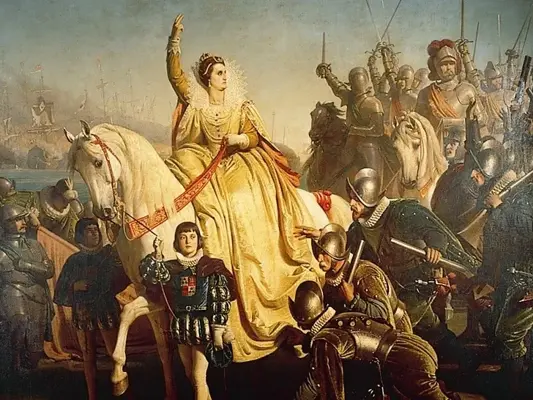
The Art of Power: A Deep Dive into History's Most Formidable Female Rulers
From Cleopatra's diplomacy to Elizabeth I's statecraft, explore the strategies, sacrifices, and legacies of the most powerful women in history. An expert analysis of female leadership through the ages.
Read More →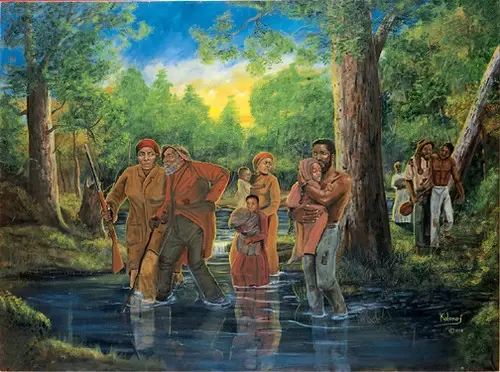
The Dual Fight for Freedom: Lincoln's Law vs. Tubman's Action
A comparison of two monumental American figures in the fight against slavery: Abraham Lincoln, who used the power of the Presidency, versus Harriet Tubman, who used direct, perilous action.
Read More →
Empires of Mind vs. Matter: Tesla vs. Caesar
A unique comparison between Nikola Tesla, the visionary inventor who electrified the world, and Julius Caesar, the conqueror who forged the Roman Empire. Who built a more enduring legacy?
Read More →