Lessons from Giants: Comparing the Roman and Mongol Empires
An expert analysis of the Roman and Mongol Empires. We compare their strategies for conquest, governance, and their lasting impact on civilization. Discover the secrets behind the rise and fall of giants.
Empires are the engines of history. They are colossal entities that, through conquest and culture, redraw maps and redefine the course of human civilization. Among the annals of these titans, two stand out for their sheer scale and transformative impact: the Roman Empire, a monolith of law and engineering that defined the West; and the Mongol Empire, a whirlwind of conquest that connected East and West like never before.
A surface-level glance shows two vastly different powers—one built on slow, methodical assimilation, the other on lightning-fast subjugation. But a deeper analysis reveals fascinating parallels in their ambition and profound lessons in their methods of ruling the world.
The Path to Conquest: Two Blueprints for Domination
An empire is, first and foremost, built on the strength of its military. Rome and the Mongols represent two of the most effective, yet fundamentally different, war machines in history.
Rome: The Unstoppable Legion
The power of the Roman Republic was forged in the discipline and professionalism of its legions. Unlike the citizen-militias of its rivals, the Roman army was a full-time, state-funded force. This allowed for unparalleled training, standardized equipment, and a level of battlefield cohesion that was nearly unbreakable.
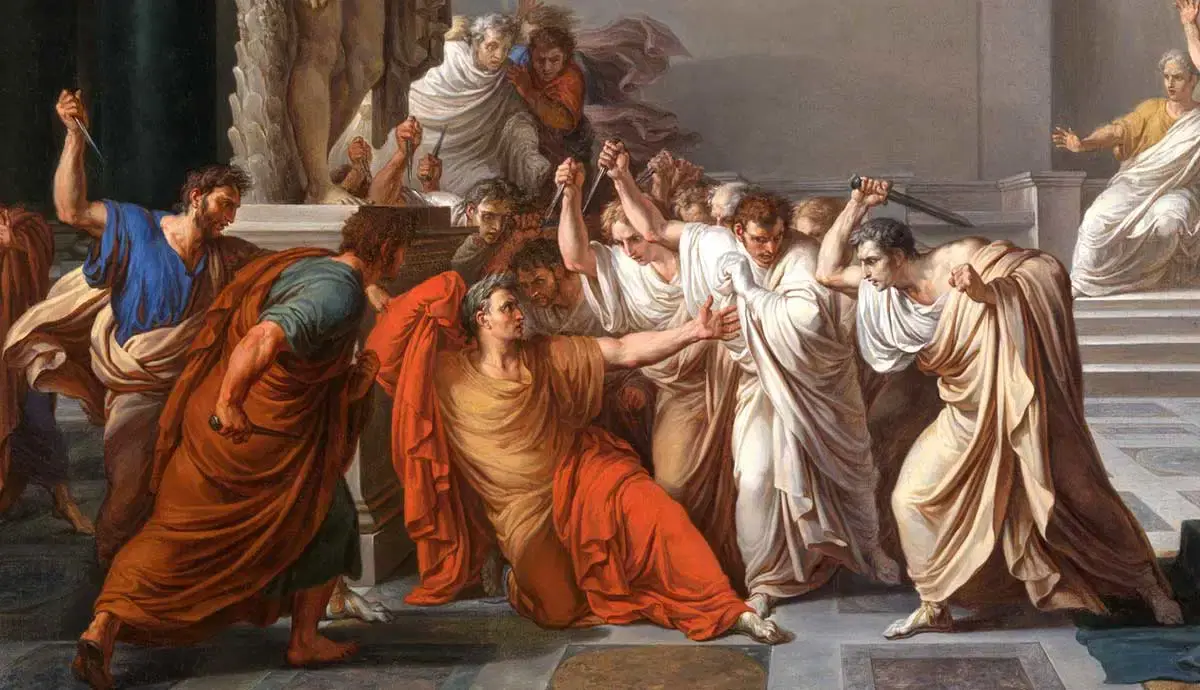
Commanders like Julius Caesar epitomized the Roman way of war: a combination of tactical brilliance, logistical mastery, and ruthless efficiency. They didn’t just win battles; they controlled territory through a network of roads and forts, making their conquests permanent. Their long and bitter struggle with brilliant adversaries like Hannibal Barca only served to sharpen their military evolution.
The Mongols: A Steppe Tsunami
In stark contrast, the Mongol army, unified by the legendary Genghis Khan, was a force of pure speed and psychological terror. Their strength was the mounted archer—a warrior who could maneuver and fire with deadly accuracy from horseback. This gave them a level of mobility that settled, agrarian empires could not comprehend.
The Mongol way of war was not to occupy, but to overwhelm. They used feigned retreats, flanking maneuvers, and a sophisticated command structure based on merit, not birthright. This meritocracy, a core part of the Mongol Empire’s success, ensured that the most capable leaders rose through the ranks, making their army a devastatingly effective instrument of conquest.
The Art of Governance: Law vs. Laissez-Faire
Conquering the world is one thing; ruling it is another entirely. Here, the philosophical differences between the two empires become starkly clear.
Rome: A Civilization of Law and Concrete
Rome’s enduring legacy is its system of governance. They ruled through assimilation, offering a path to citizenship for conquered peoples and binding their vast territory together with a unified legal code. This code was so influential that its principles formed the basis for modern legal systems, including the Napoleonic Code centuries later.
Their rule was made tangible through monumental infrastructure projects. The construction of Roman Aqueducts, roads, and public buildings was not just for function; it was a statement of permanent dominion and a means of projecting Roman culture.
The Mongol Empire and the Pax Mongolica
The Mongols, on the other hand, governed with a much lighter touch. Once a region was subjugated, they were often content to allow local customs and religions to continue, provided that tribute was paid and order was maintained. Their famous religious tolerance stood in sharp contrast to the practices of many other empires.
Their greatest contribution to governance was the establishment of the Pax Mongolica (Mongol Peace). By securing the Silk Road and establishing a reliable postal system (the Yam), they created the largest free-trade zone the world had ever seen. This facilitated an unprecedented exchange of goods, ideas, and technologies—including the rapid spread of Gunpowder from East to West.
Why Giants Fall: The Seeds of Decline
No empire lasts forever. Both Rome and the Mongols eventually succumbed to internal pressures that their military might could not overcome.
- Rome’s decline was a slow, agonizing process fueled by political corruption, economic instability, and the sheer cost of defending its overstretched borders.
- The Mongol Empire’s weakness was its reliance on a single, charismatic leader. After the death of Genghis Khan and his immediate successors, the empire fractured into rival khanates, unable to maintain its unity.
Echoes in Eternity: The Enduring Legacies
So, what lessons do these giants leave us? The Roman Empire’s legacy is foundational. It provided the blueprint for Western law, language, government, and engineering. It is the architectural DNA of our modern world. The Mongol Empire’s legacy is connective. It broke down barriers, creating a truly global network for the first time. It taught the world that East and West were not separate spheres, but two ends of the same continuum.
One built walls and institutions; the other built bridges of trade and ideas. Both demonstrate that an empire’s true measure is not the territory it conquers, but the world it leaves behind.
Delve deeper into the cultures that shaped our world in our Halls of Civilization or witness their champions clash in The Colosseum.
Continue Reading
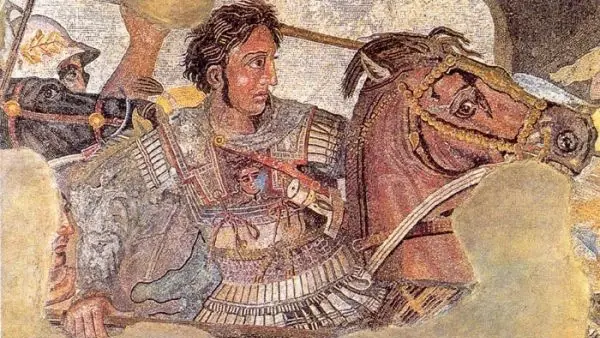
Conquest of Land vs. Conquest of the Future: Alexander the Great and Nikola Tesla
An epic comparison between Alexander the Great, who conquered the known world in a decade, and Nikola Tesla, who engineered the unseen empire of electricity that powers our modern age.
Read More →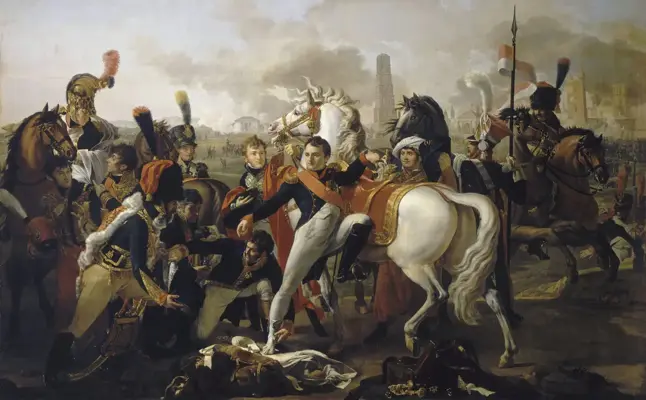
The Great Strategists: A Definitive Comparison of Napoleon, Caesar, and Alexander
A deep-dive analysis into the military tactics, battlefield innovations, and lasting legacies of Napoleon Bonaparte, Julius Caesar, and Alexander the Great. Who was the ultimate commander?
Read More →
The Golden Throne: Mansa Musa vs. Suleiman the Magnificent
A profound analysis of two of history's most powerful rulers outside of Europe. We compare Mansa Musa's projection of power through legendary wealth and Suleiman's mastery of law and military conquest.
Read More →