Unification by Iron: The Brutal Legacies of Qin Shi Huang and Genghis Khan
A comparative analysis of two of history's most ruthless unifiers. Explore the methods, philosophies, and lasting impacts of the First Emperor of China and the Great Khan of the Mongols.
History is often forged in fire and blood, and few figures embody this truth more starkly than Qin Shi Huang, the first emperor of a unified China, and Genghis Khan, the founder of the vast Mongol Empire. Both men rose from periods of intense conflict—the Warring States period in China and the tribal warfare of the Mongolian steppe—to unify sprawling territories through sheer force of will and military might.
They were not benevolent philosopher-kings; they were pragmatists who understood that unity often demanded brutality. One built walls to keep the world out, the other conquered the world itself. This is an analysis of two titans who built empires on a foundation of iron.
Qin Shi Huang: Forging a Nation Through Absolute Control
Before Qin Shi Huang, “China” was a mosaic of warring states, each with its own culture, currency, and language. The future emperor inherited the throne of the Qin state and, through a series of ruthless military campaigns, conquered them all, proclaiming himself the First Emperor in 221 BC.
Standardization as a Weapon
Qin Shi Huang’s true genius lay not just in conquest, but in his obsession with control. To erase the identities of the former states, he enacted sweeping, often brutal, reforms. He standardized everything: the writing system, currency, weights, and measures—even the axle widths of carts to create a uniform road system. This created a unified cultural and economic entity, but it came at a terrible cost. To silence dissent, he famously ordered the burning of books and the burying of scholars, suppressing philosophies like Confucianism that challenged his absolute authority.
The Legacy in Stone and Earth
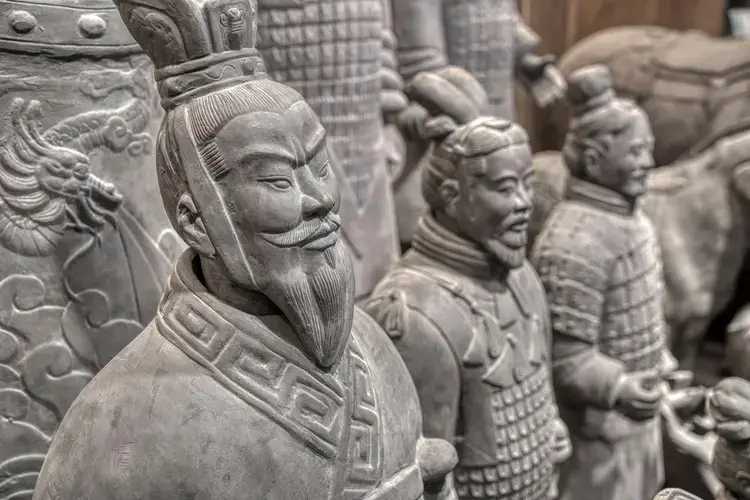
The emperor’s ambition was made manifest in monumental construction projects, built by armies of forced laborers. He commissioned the first iteration of the Great Wall and a city-sized mausoleum guarded by the now-famous Terracotta Army. His dynasty was short-lived, but the centralized, bureaucratic state he created would serve as the blueprint for imperial China for the next two millennia.
Genghis Khan: Uniting the World on Horseback
A thousand years later, the Mongolian steppe was a fractured land of warring nomadic tribes. From this chaos emerged Temüjin, a man who, through diplomacy and savage warfare, would unite the tribes and be proclaimed Genghis Khan, leader of all Mongols.
Meritocracy and Psychological Warfare
The Mongol army was a revolutionary force. Genghis Khan dismantled the old tribal aristocracies and organized his soldiers into a strict, decimal-based system based on merit, not lineage. His warriors, all skilled horse archers, were the most mobile and disciplined fighting force of their time. The Great Khan’s tactics were a masterclass in psychological warfare. He often offered cities the chance to surrender peacefully. Those that refused were utterly annihilated, their populations massacred—a brutal but effective strategy that made resistance seem futile.
The Mongol Peace
Unlike Qin Shi Huang’s focus on cultural assimilation, the Mongols ruled their conquered lands with a lighter touch. They were famously tolerant of different religions and often left local administrators in place, demanding only loyalty and tribute. Their most significant legacy was the establishment of the Pax Mongolica (Mongol Peace). By securing the Silk Road, they created the largest free-trade zone in history, allowing for an unprecedented exchange of goods, ideas, and technologies between East and West, much like the later empire of Charlemagne in Europe.
Blueprints for Empire: A Comparative Look
| Feature | Qin Shi Huang | Genghis Khan |
|---|---|---|
| Method of Unification | Systematic conquest & assimilation. | Subjugation & tribal confederation. |
| Key Strength | Bureaucratic organization & standardization. | Military mobility & meritocracy. |
| Philosophy of Rule | Legalism: absolute control & harsh laws. | Pragmatism: religious tolerance & tribute. |
| Lasting Legacy | A unified Chinese cultural and political state. | The creation of a transcontinental trade network. |
Both men were utopians in their own way. Qin Shi Huang envisioned an eternal, perfectly ordered empire, while Genghis Khan envisioned a world united under a single law. Both used terror and bloodshed as primary tools to achieve those ends.
Conclusion: The Price of a Unified World
To compare Qin Shi Huang and Genghis Khan is to ask a difficult question: what is the price of unity? The First Emperor forged a nation so culturally robust that it has endured for millennia, but he did so by attempting to erase the past. The Great Khan created a global age of communication and trade, but it was built on a mountain of skulls.
Their legacies serve as a chilling reminder that the course of history is often shaped not by the noblest of ideals, but by the most unyielding of wills. They prove that sometimes, the only thing more powerful than an idea is the sword that clears its path.
See how these conquerors stack up against other military geniuses in our Duels Section, or explore the civilizations they built in the Halls of Civilization.
Continue Reading
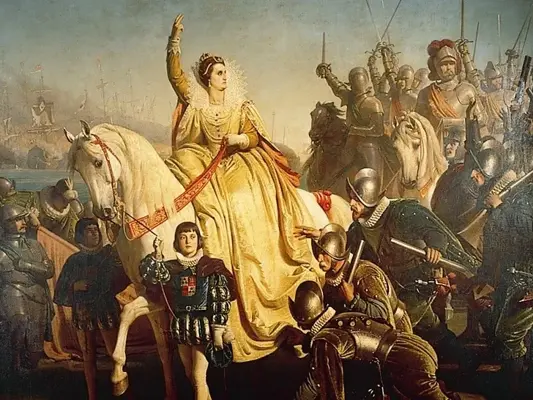
The Art of Power: A Deep Dive into History's Most Formidable Female Rulers
From Cleopatra's diplomacy to Elizabeth I's statecraft, explore the strategies, sacrifices, and legacies of the most powerful women in history. An expert analysis of female leadership through the ages.
Read More →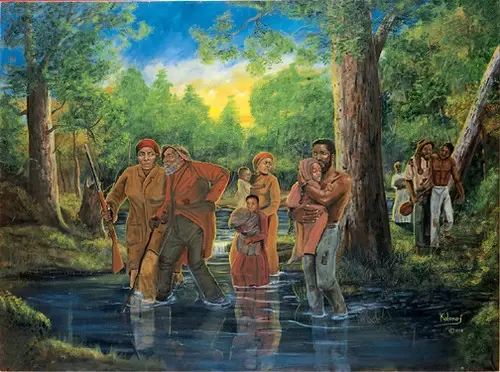
The Dual Fight for Freedom: Lincoln's Law vs. Tubman's Action
A comparison of two monumental American figures in the fight against slavery: Abraham Lincoln, who used the power of the Presidency, versus Harriet Tubman, who used direct, perilous action.
Read More →
Empires of Mind vs. Matter: Tesla vs. Caesar
A unique comparison between Nikola Tesla, the visionary inventor who electrified the world, and Julius Caesar, the conqueror who forged the Roman Empire. Who built a more enduring legacy?
Read More →